Who We Are
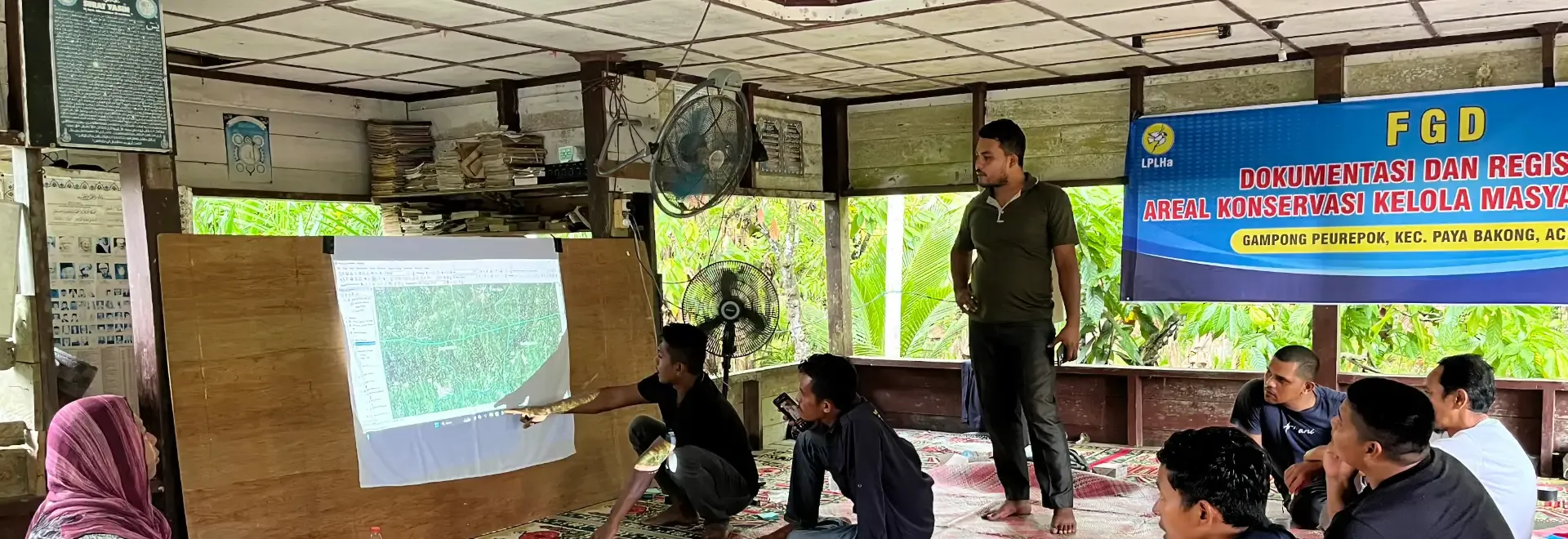
WGII is a working group of nine civil society organizations in Indonesia formed after the ICCAs Symposium in Bogor on October 14, 2011. WGII advocates and strengthens the recognition of areas managed and conserved by Indigenous Peoples and Local Communities or known as Indigenous Peoples and Local Communities Conserved Territories and Areas (ICCAs – Territories of Life). Through the initiation of the People's Conservation Movement, WGII encourages the transformation of conservation policies that are more equitable, inclusive, and rights-based. Since 2015, WGII has been a member of the ICCA Consortium.
History
The Indonesian ICCAs Working Group (WGII) is a working group or consortium formed after the ICCAs Symposium held in Bogor on October 14, 2011. At the beginning of its formation, WGII consisted of 10 (ten) civil society organizations in Indonesia, namely the Indigenous Peoples Alliance of the Archipelago (AMAN), the Participatory Mapping Network (JKPP), WWF Indonesia, the Indonesian Forum for the Environment (WALHI), Sawit Watch, the Pusaka Bentala Rakyat Foundation (PUSAKA), HuMa Indonesia, the People's Coalition for Fisheries Justice (KIARA), NTFP-EP Indonesia or the Indonesian Forest Resources Development Foundation, and the Customary Territory Registration Agency (BRWA). Together, these organizations initiated efforts to promote, advocate, and strengthen recognition of territories and areas managed and conserved by Indigenous Peoples and Local Communities Conserved Territories and Areas (ICCA – Territories of Life) in Indonesia, while supporting the ICCA movement in encouraging the transformation of conventional, exclusive conservation approaches (fortress conservation) toward a more equitable and rights-based conservation approach, hereinafter referred to as the People's Conservation Movement. Since 2015, WGII has also been a member of the ICCA Consortium.
In carrying out its mandate, WGII works through a collaborative approach, dividing roles among members based on their respective strengths and mandates, such as participatory mapping, advocacy for indigenous peoples' rights, community empowerment, and capacity building. This collective work is reinforced through the WGII Strategic Plan, which refers to the three main pillars of ICCA: documenting, maintaining sustainability, and defending ICCA.
From 2011 to 2015, WGII operated as a fluid working group coordinated through a secretariat and supported by the host institution for administrative and funding management. From 2013 to 2025, BRWA served as WGII's host institution.
As the consortium's programs, organizational governance, and financial management evolved, members began to recognize the need for WGII to operate more broadly and less dependent on the host institution. Therefore, at the first Membership Meeting in 2025, all members agreed on an organizational governance transformation agenda, transforming WGII from a fluid group into a more formal and organized institution. At that forum, it was agreed that WGII would be officially established as a legal entity in the form of an Association, in accordance with Indonesian law.
The Association institutional model was deemed the most appropriate model for WGII because it is fundamentally membership-based, with WGII membership based on organizational membership. The transformation of WGII into a formal legal entity does not change the consortium's collaborative working methods, but rather strengthens the secretariat's function and increases the organization's accountability in carrying out its mandate and strategic work plan. Concurrently, WGII also established consortium statutes, and in October 2025, WGII was officially registered as a legal entity under the name of the Perkumpulan Gerakan Konservasi Rakyat Nusantara.
Currently, WGII members consist of nine civil society organizations, including the Indigenous Peoples' Alliance of the Archipelago (AMAN), the Participatory Mapping Network (JKPP), the Customary Territory Registration Agency (BRWA), HuMa Indonesia, the Pusaka Bentala Rakyat Foundation (PUSAKA), Sawit Watch, the Indonesian Forum for the Environment (WALHI), NTFP-EP Indonesia, and the People's Coalition for Fisheries Justice (KIARA).
WGII Institutional Milestones
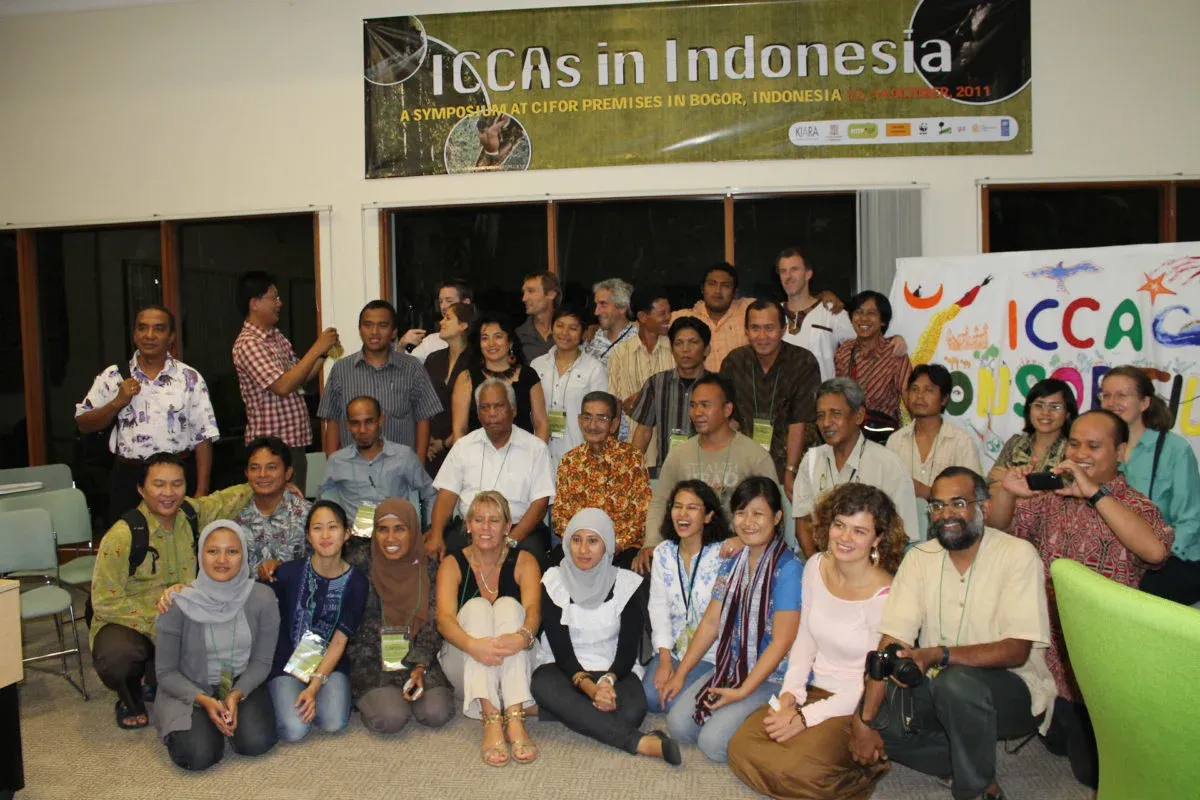
WGII was established after the ICCAs Symposium in Bogor, held on 13-14 October 2011.
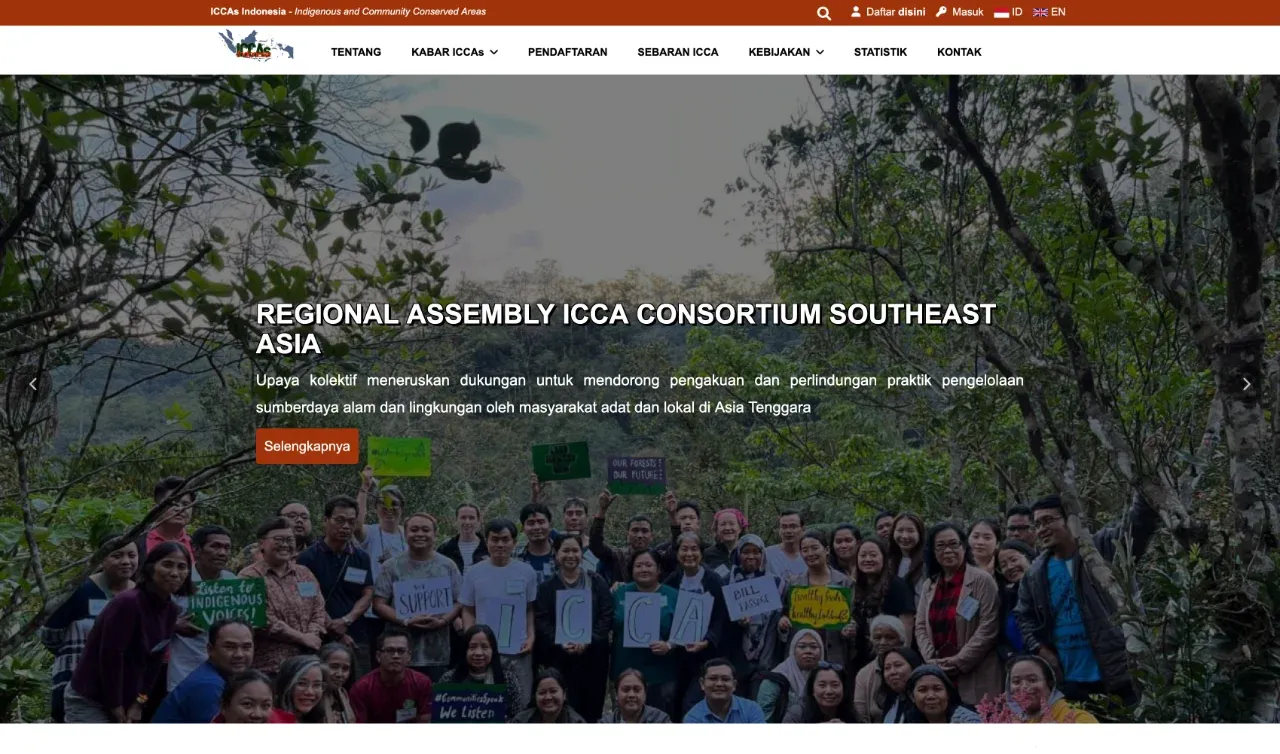
WGII developed the national ICCA registration system and online database to support community-based documentation and registration of ICCAs in Indonesia.
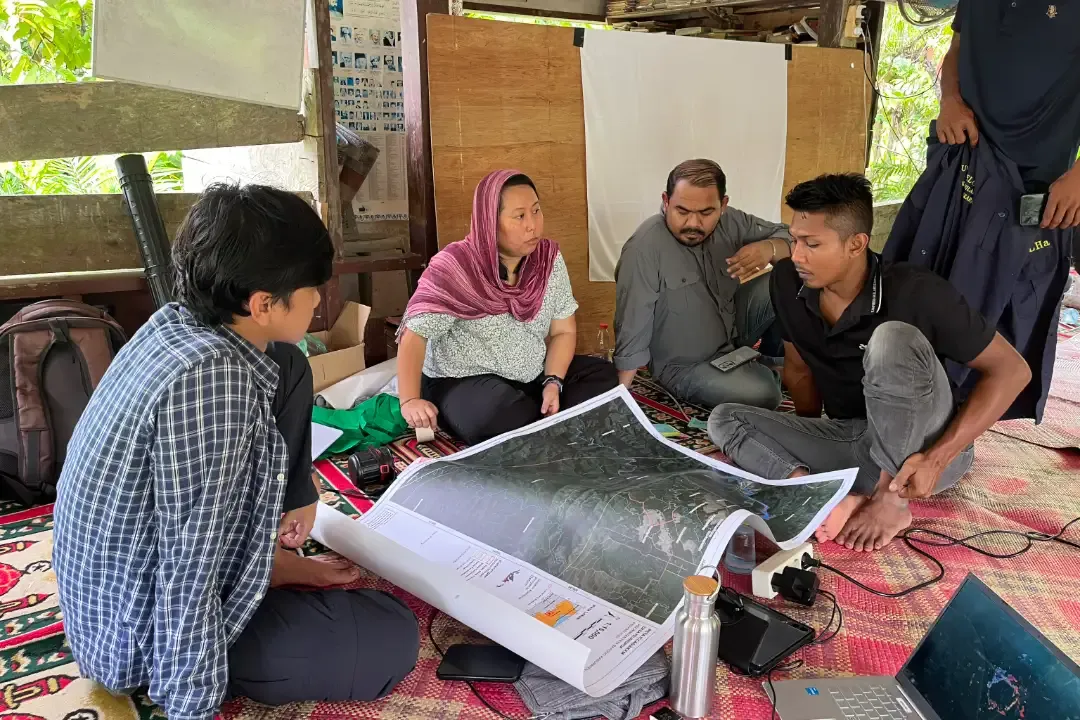
WGII developed a peer-review mechanism to support and accelerate the verification of registered ICCAs.
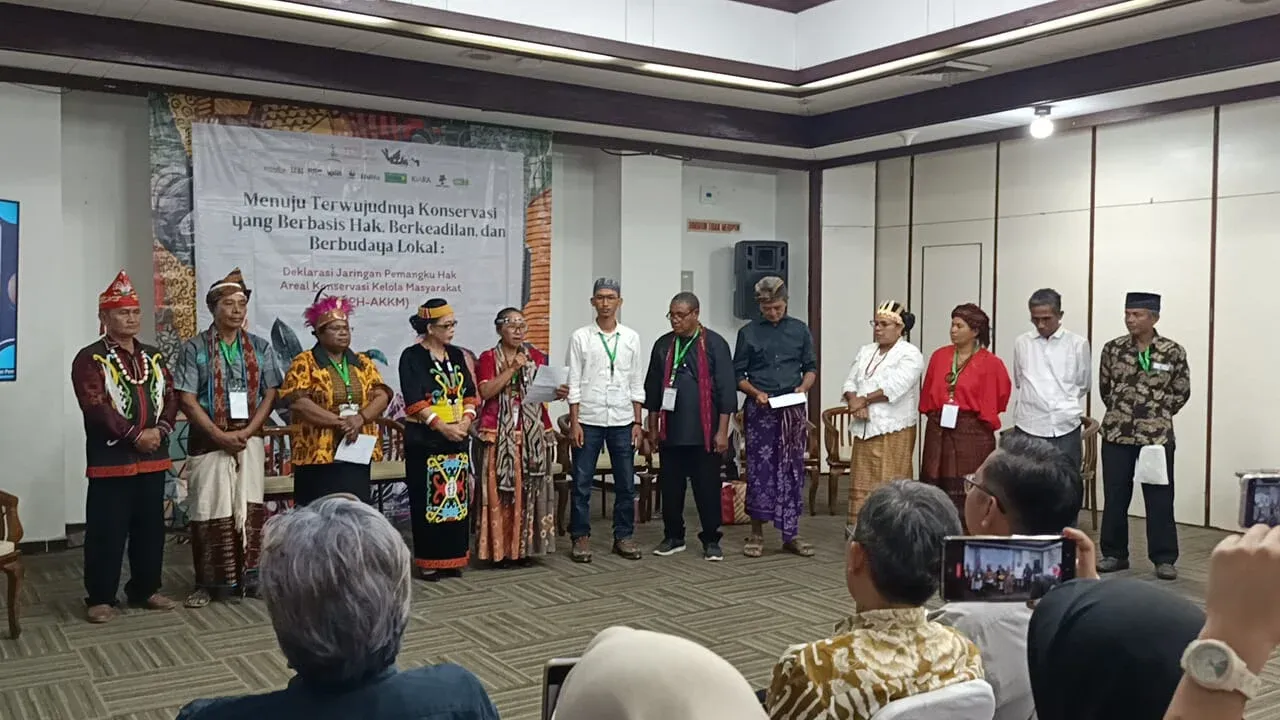
JPH AKKM was formally declared as a network of rights-holders/custodians of Community Conserved Areas during the 2023 Tenurial Conference.
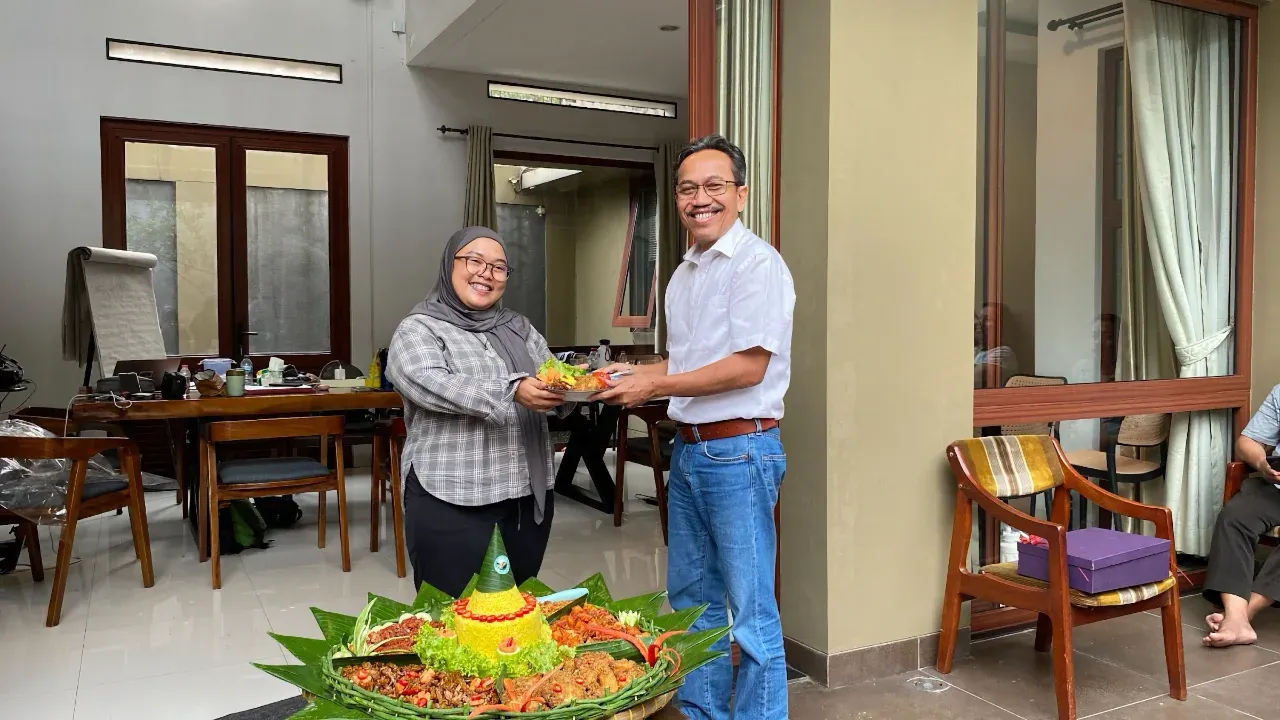
WGII held its first General Assembly, where members agreed to transform WGII into a formal legal association.
Vision and Mission
Vision
Our vision is to realize the protection and sustainable use of biodiversity in Indonesia that is firmly grounded in human rights, traditional knowledge, and justice.
Mission
- To elevate the visibility and recognition of ICCA-territories of Life across Indonesia.
- To secure, defend, and advance the rights of Indigenous Peoples and Local Communities, including women, youth, and marginalized groups, over their ICCA-territories of life, local wisdom, and traditional knowledge through policy advocacy at local, national, and global levels.
- To strengthen and amplify the conservation practices and governance systems of Indigenous Peoples and Local Communities so they are fully recognized and integrated by government institutions, formal education systems, and other actors in conservation and biodiversity governance.
- To reinforce, support, and empower the capacities and institutions of Indigenous Peoples and Local Communities in governing natural resources and safeguarding their living spaces.
- To build a resilient, credible, and influential coalition that serves as a leading reference for stakeholders in advancing conservation grounded in human rights.
Team Structure

Cindy Julianty
Lasti Fardilla Noor
Mega Ayu Lestari
Nafa
Devin
M. Ihsan Maulana
Rai Sri Utari
Person Four
Reni Andriani
Bryandanu Octanine
Brama
Sharfina
Purna Chandra Arie H.
Rendhy Aprilia
Dwi Renita Suri
Deni Suwanda
Person Five
Aden
Fahri
Accountability
Complaint Channel
WGII accepts reports of alleged corruption and other irregularities, both from within the organization and from outside parties. WGII encourages comments and complaints regarding our work to be reported and discussed with the staff and managers responsible for the activities. These reports can be addressed to [email protected] or submitted directly via this form.
For more detailed Procedures and Flow of Complaintes, please check this link.