
Defending
Defending ICCAs is an advocacy initiative to protect, defend, and fight for the recognition of the territories of Indigenous Peoples and Local Communities from various threats to their living spaces, traditional knowledge, and local wisdom-based management systems. This approach stems from the fact that conservation policies in Indonesia are still heavily influenced by the exclusive and repressive fortress conservation paradigm, in which the state holds full control over areas while communities are positioned as threats to natural sustainability. In practice, this approach often triggers tenure conflicts, criminalization, access restrictions, and even the eviction of communities from the territories they have traditionally protected.
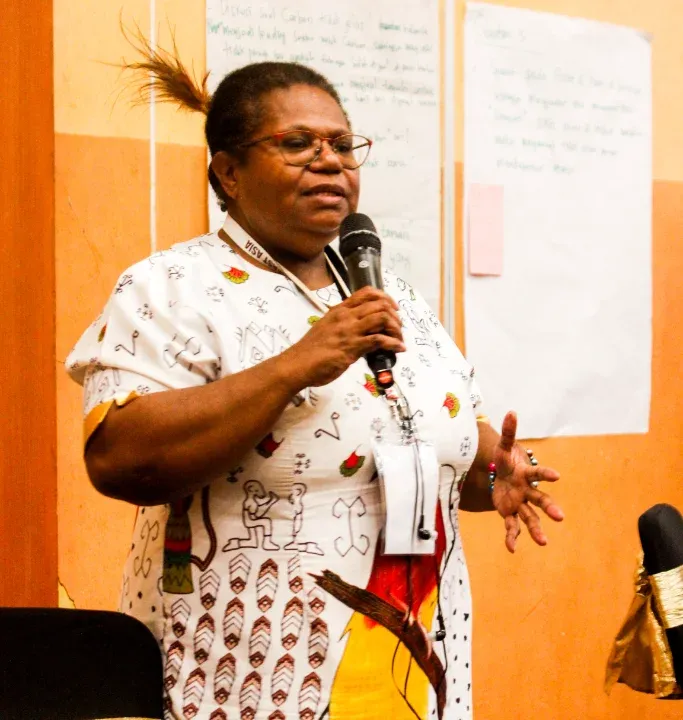
In this context, defending ICCAs is part of the conservation decolonization agenda, an effort to shift the direction of conservation policy to be more just, democratic, and rights-based. Conservation must no longer be pursued at the expense of communities, while at the same time extractive industries and large-scale development projects continue to be granted space in areas of high biodiversity value. Defending ICCAs affirms that Indigenous Peoples and Local Communities are rights holders and key actors in biodiversity protection, and therefore, recognition of their territories and knowledge systems must be the primary foundation of conservation governance in Indonesia.
The focus of defending ICCAs is realized through various policy advocacy initiatives, at the local, national, and global levels. This advocacy includes strengthening the substance of the KSDAHE Law, implementing the Convention on Biological Diversity (CBD) and IBSAP, recognizing and protecting ICCAs, mainstreaming communities in the Biodiversity Management Master Plan (RIP Kehati), developing paralegals for the younger generation, and strengthening the climate and biodiversity nexus perspective to ensure the green transition agenda does not become a new form of land grabbing for communities.
In addition to policy advocacy, defending ICCAs will also be realized through the development of a Conservation Conflict Monitoring System to document various conflicts, criminalization, violence, and rights violations occurring in conservation areas and community-managed areas. This system is a crucial instrument for strengthening rapid response, building solidarity between communities, providing a database for advocacy, and encouraging evidence-based policy change. Through this approach, defending ICCAs aims not only to protect territories but also to strengthen the collective struggle to build conservation governance that favors the people and respects the rights of communities as primary guardians of biodiversity.