
Sustaining
Sustaining ICCA is an effort to strengthen the sustainability of territories of life managed by Indigenous Peoples and Local Communities through enhancing community capacity, livelihood systems, social institutions, as well as the regeneration of knowledge and leadership. This approach stems from the understanding that ICCA does not only rely on territorial recognition but also on the ability of ICCA stakeholders to sustain, nurture, and continue management practices based on local wisdom amidst various pressures and threats that continue to evolve.
Various threats such as the expansion of extractive industries, tenure conflicts, climate change, ecosystem degradation, shifts in cultural values, and the weakening of traditional knowledge regeneration have affected the sustainability of ICCA in many communities. Therefore, sustaining ICCA is directed at strengthening the socio-ecological resilience of communities through enhancing community organization capacity, developing sustainable economic and livelihood systems, local food security, strengthening the role of women and youth groups, and regenerating traditional knowledge across generations.
This approach also places community empowerment at the core of strengthening ICCA. Communities are not positioned as beneficiaries but as rights holders, territory managers, and primary knowledge producers in maintaining biodiversity. In this context, sustaining ICCA becomes a process to ensure that community-based conservation practices remain alive, relevant, and capable of adapting to social, economic, and ecological changes.
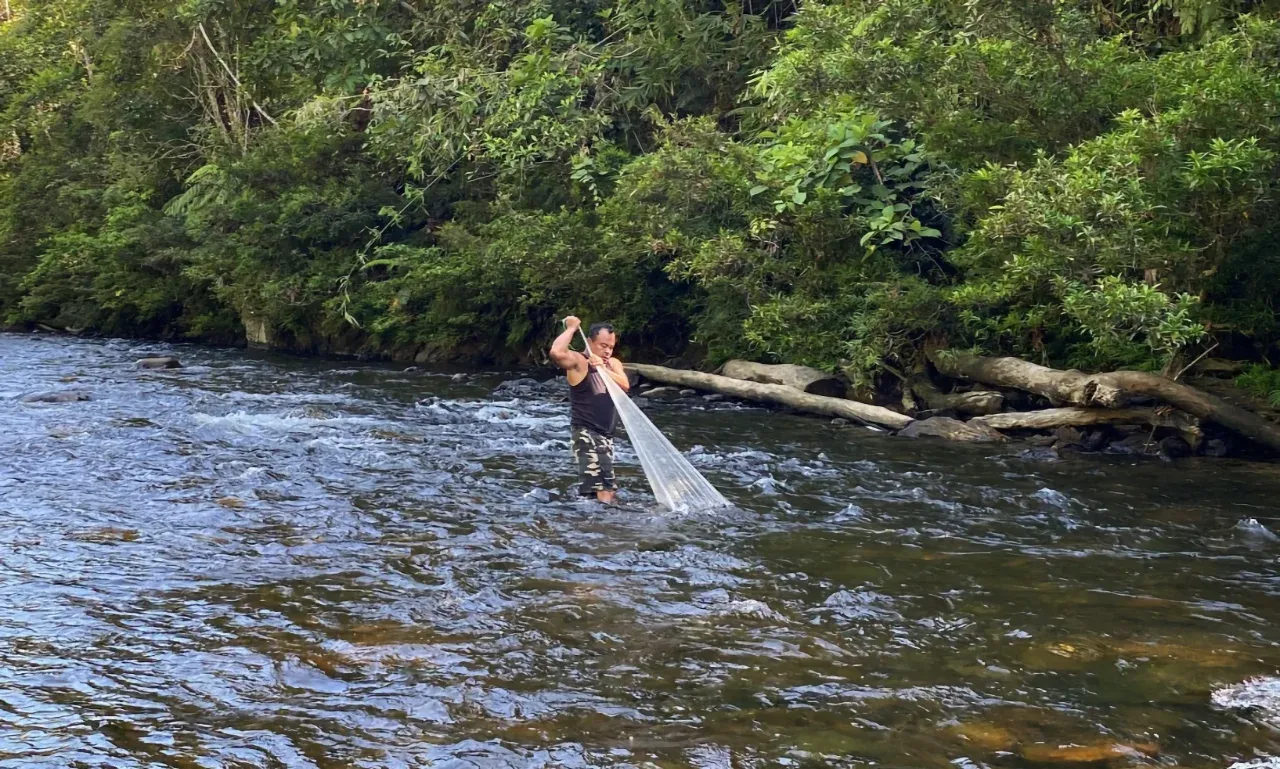
In Indonesia, the sustaining ICCA approach is manifested through the establishment of the ICCA Custodian Network (JPH AKKM), a learning and consolidation space among ICCA stakeholders in various regions. This network is built to strengthen solidarity, exchange experiences, joint learning, and develop collective strategies in preserving territories and local knowledge. Through this community-based approach, ICCA stakeholders can support each other in facing challenges at both local and national levels.
One of the important instruments in this strengthening is the Peoples Conservation Learning Centre (PCLC), a grassroots conservation learning center developed as a space for education, knowledge exchange, and capacity development based on community experiences. PCLC serves as a medium to revive traditional knowledge practices, strengthen youth regeneration, develop local innovations, and build community leadership in biodiversity management. With this approach, sustaining ICCA not only aims to maintain territories but also ensures the sustainability of culture, knowledge, and community life systems that form the main foundation of grassroots conservation in Indonesia.