Kalibiru Tourism, The Struggle of the Independent Farmers Group to Manage State Forests
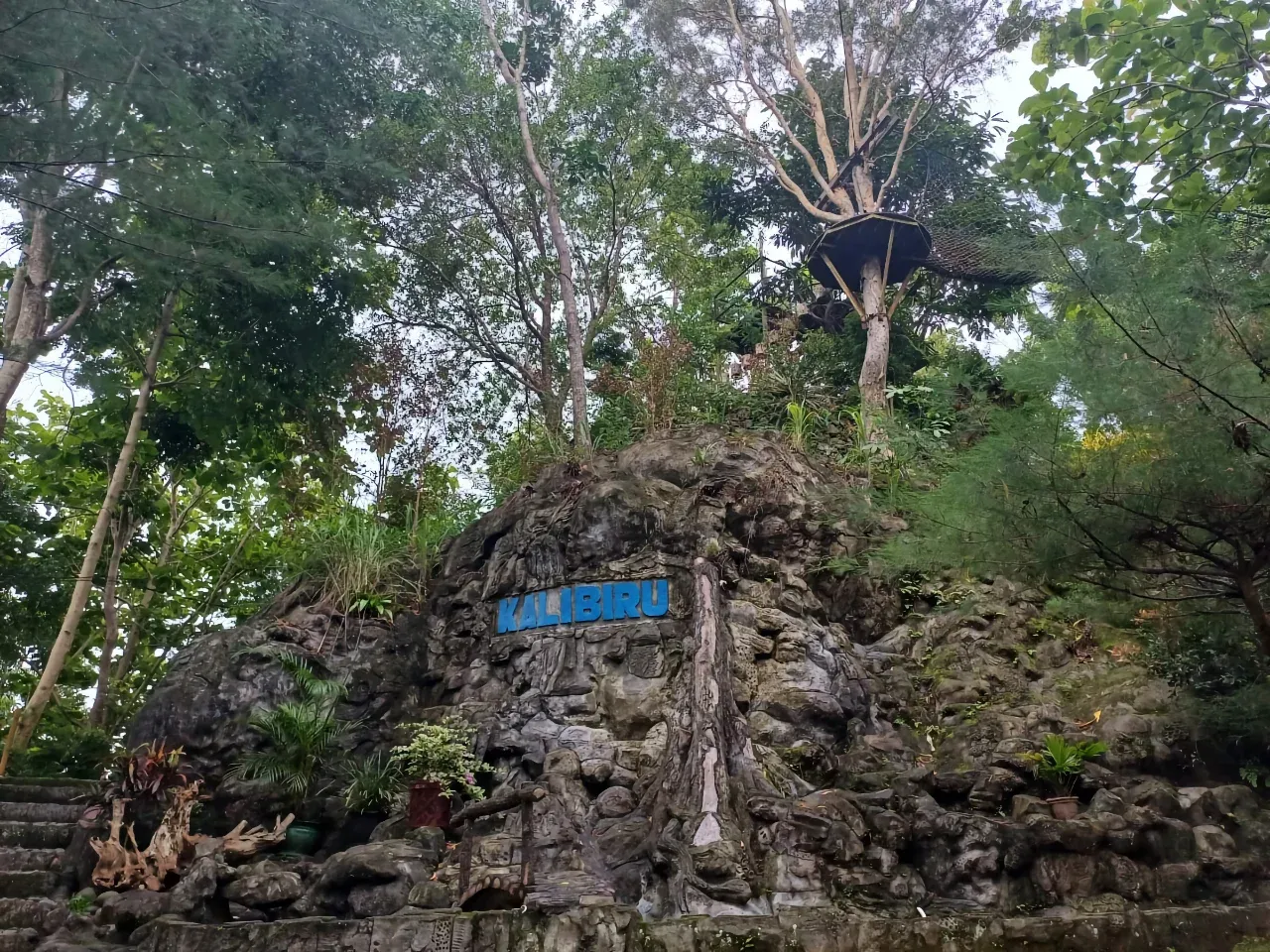
"Here, let me take a photo of you, miss," an elderly man, the manager of Kalibiru tourism, offered kindly as I was photographing the Kalibiru signage not far from the entrance ticket booth. This brief friendliness then developed into a conversation about the history of Kalibiru and its current condition. Kalibiru is a tourist location situated in Kalibiru Hamlet, Hargowilis Village, Kokap District, Kulon Progo Regency, DI Yogyakarta Province. This area is a community forest (HKm) managed by the Independent Farmers Group. For Kulon Progo itself, there are seven HKm permits. These seven farmer groups managing HKm then formed an association named Lingkar.
As the manager of Kalibiru tourism, he feels saddened by the fate of Kalibiru tourism today, which is increasingly deserted by visitors. He said that long before the COVID-19 pandemic, the number of visitors reached thousands of people per day. But now, maybe around 1-3 people per day. Even though he believes Kalibiru is one of the pioneers of nature tourism offering Instagrammable photo spots in Jogja. The increasing number of similar tourism models to Kalibiru, according to him, is one of the factors for the declining interest of visitors to Kalibiru. Nevertheless, the community continues to innovate in tourism development, as Kalibiru is a source of livelihood for the surrounding community.
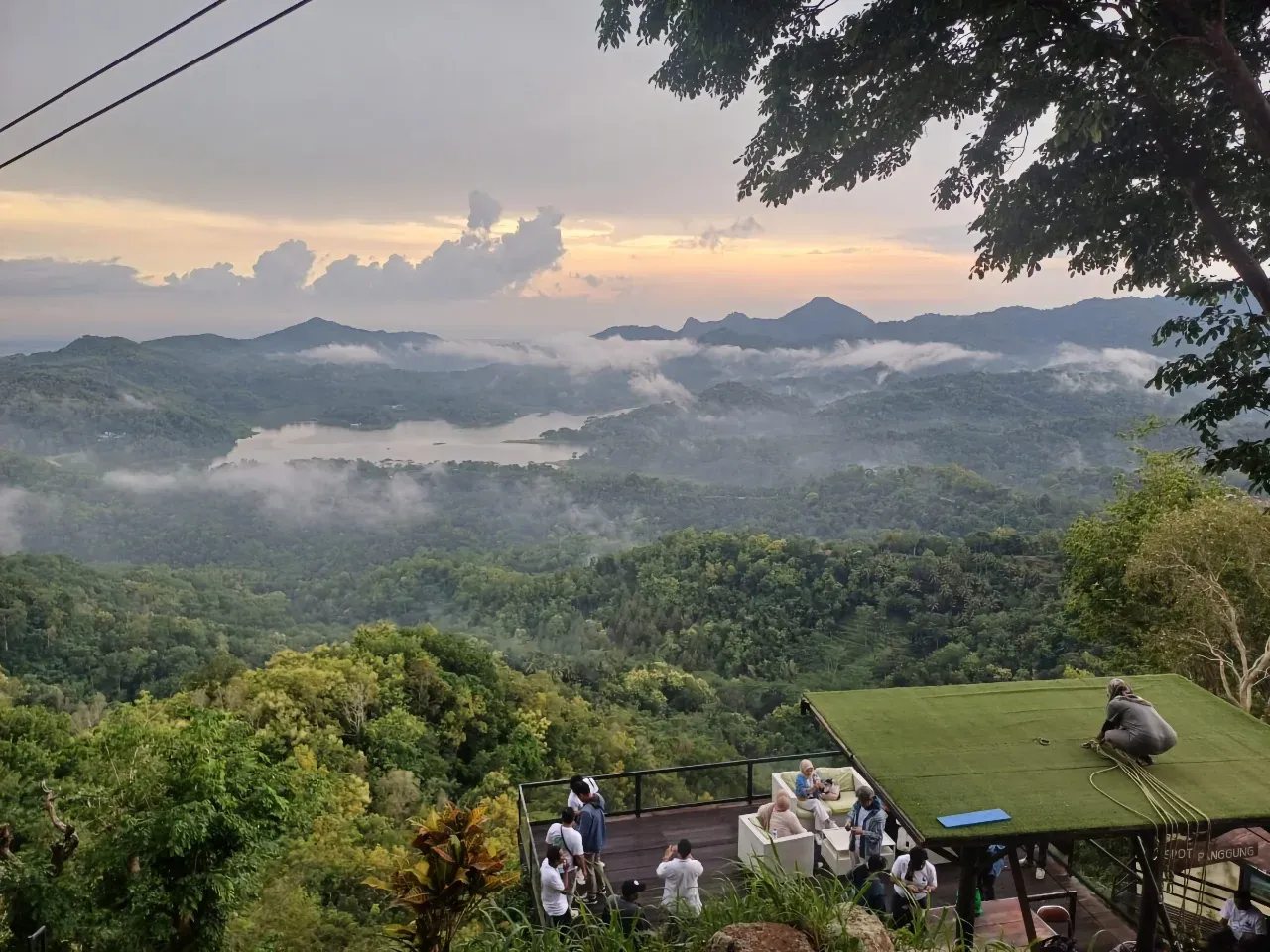
"The view is better up there, miss," he invited me to continue walking to the photo spot that is the main attraction of Kalibiru tourism. We followed a path that was not too steep, but enough to make me slightly out of breath. The distance between the photo spot and the entrance ticket booth is not too far, about 500 meters. The view on the left side of the road is a gentle hill full of trees, while on the right side is a slope that is not too steep and also covered with dense trees. "This used to be barren, miss, before we managed it." He pointed to the surrounding area when we arrived at the photo spot. The location indeed has natural beauty that makes you want to capture the landscape with a camera. Green lush hills with a lake (dammed river) in the middle, plus cool air and thin fog occasionally passing over the hills.
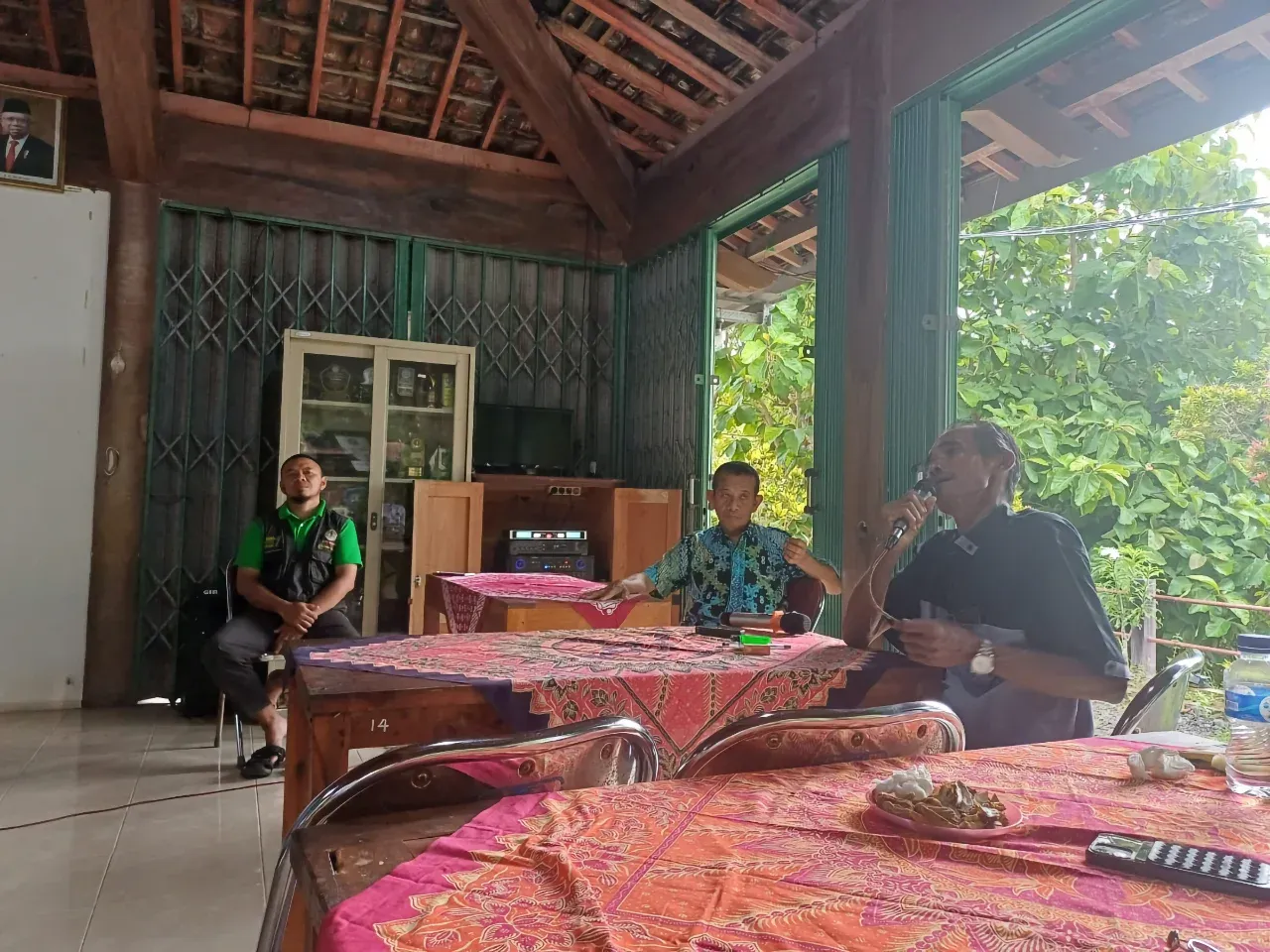
Today, the photo spot is quite crowded due to the arrival of participants from the Leading The Change training. I am also part of that group. We specifically came to Kalibiru to learn how the community manages HKm, including their struggle to obtain management rights over the forest area. Before we visited the photo spot, we had a discussion with the Kalibiru tourism management at the joglo, near the entrance ticket booth.
According to Mr. Sadali, as the head of the Independent HKm management, long before the 2000s, the community would "sneak" into the forest and take wood to meet their needs. At that time, there was no social forestry scheme, so those who entered and took wood from the forest were considered illegal loggers by the state and would be punished if caught. Residents were forced to take wood and farm secretly because they had few options. Their condition at that time was quite difficult because most of their area was state forest with the function of Production Forest, while the available land that could be cultivated by the community was very limited and not enough to meet daily needs.
In 1995, forest management in Indonesia began to shift from state-managed forest management to community-based forest management. This was marked by the issuance of the Minister of Forestry Decree (Kepmenhut) No 622/1995 on HKm Guidelines. This policy was essentially to accommodate the community's participation in managing forests according to their functions in production and protected forests.
The Beginning of the Independent Farmers Group
Starting in 1999, the Damar Foundation began inviting the community to think about forest sustainability. Then, in the 2000s, the community began to desire to organize themselves into farmer groups and plant the increasingly barren forest.
"From 1995 - 2000 we saw the forest damage getting worse, so in 2001, we formed a farmer group, then we fought to get management permits up to the regent," said Mr. Sadali.
They submitted a permit application to the Regent of Kulon Progo at that time, Toyo Santoso Dipo. They asked to be given the opportunity to prove that they could green the state forest, just as they had managed community forests.
"We asked to be given a 1-2 year opportunity. If it indeed gets damaged, please revoke the permit. Finally, the regent granted a 5-year permit." Said Mr. Sadali.
A temporary permit was issued for the period from 2003 to 2008. They were given permission to manage 29 hectares of state forest located in plots 28 and 29. The forest in Kalibiru was then planted with various timber plants such as teak, mahogany, acacia, and sonokeling, which they sourced and obtained independently. They hoped that these plants could eventually be harvested and become a source of income.
After evaluation, the Independent HKm Group, through the Regent of Kulon Progo Decree No 452/2007, was granted a HKm Utilization Business Permit (IUPHKm) for up to 35 years, starting from February 15, 2008. Unfortunately, the permit issued was for a Protected Forest, not a Production Forest as initially anticipated by the Independent HKm.
"The change in (forest area) function disappointed us because after a long struggle to obtain management permits and plant trees, when we wanted to harvest the wood, we couldn't because it had become a protected forest," said Mr. Kidal, one of the HKm managers.
The disappointment they felt did not dampen their spirit to manage Kalibiru. In 2008, several residents, including Mr. Sadali, began exploring the potential for nature tourism development. They realized that the Kalibiru landscape was very beautiful and could be developed for tourism. Especially when the forest, which was previously barren, began to turn green again, making the microclimate in Kalibiru cooler and colder.
Community and Forest
Community forest management in Kalibiru has successfully transformed the barren state forest hills into green again. Not only that, but it also changed the paradigm of the relationship between the community and the forest, including among the youth. In the past, young people were not interested in managing the forest. However, since Kalibiru tourism became the pride of Kulon Progo, many young people have returned to the village, and together with the older generation, they developed tourism in Kalibiru.
In its development, the Independent HKm farmer group also pioneered fruit and medicinal plant cultivation under the canopy, which they later processed into herbal medicine and snacks. There are many benefits that the community gains from managing the Kalibiru forest, both economically and in terms of sufficient availability of clean water and clean air. The Independent Farmers Group proves that when the community is given management rights over the forest, it can drive social transformation, turning a subsistence community into a productive one while maintaining ecological aspects.
#AN

Join Our Newsletter
Berlangganan buletin kami untuk mendapatkan pembaruan terbaru, berita, acara, dan aktivitas komunitas langsung ke kotak masuk Anda.
We respect you privacy, your email is safe with us.