Mountain Salt of the Dayak Lundayeh in Krayan: Traditional Knowledge for Sustainable Natural Resource Management
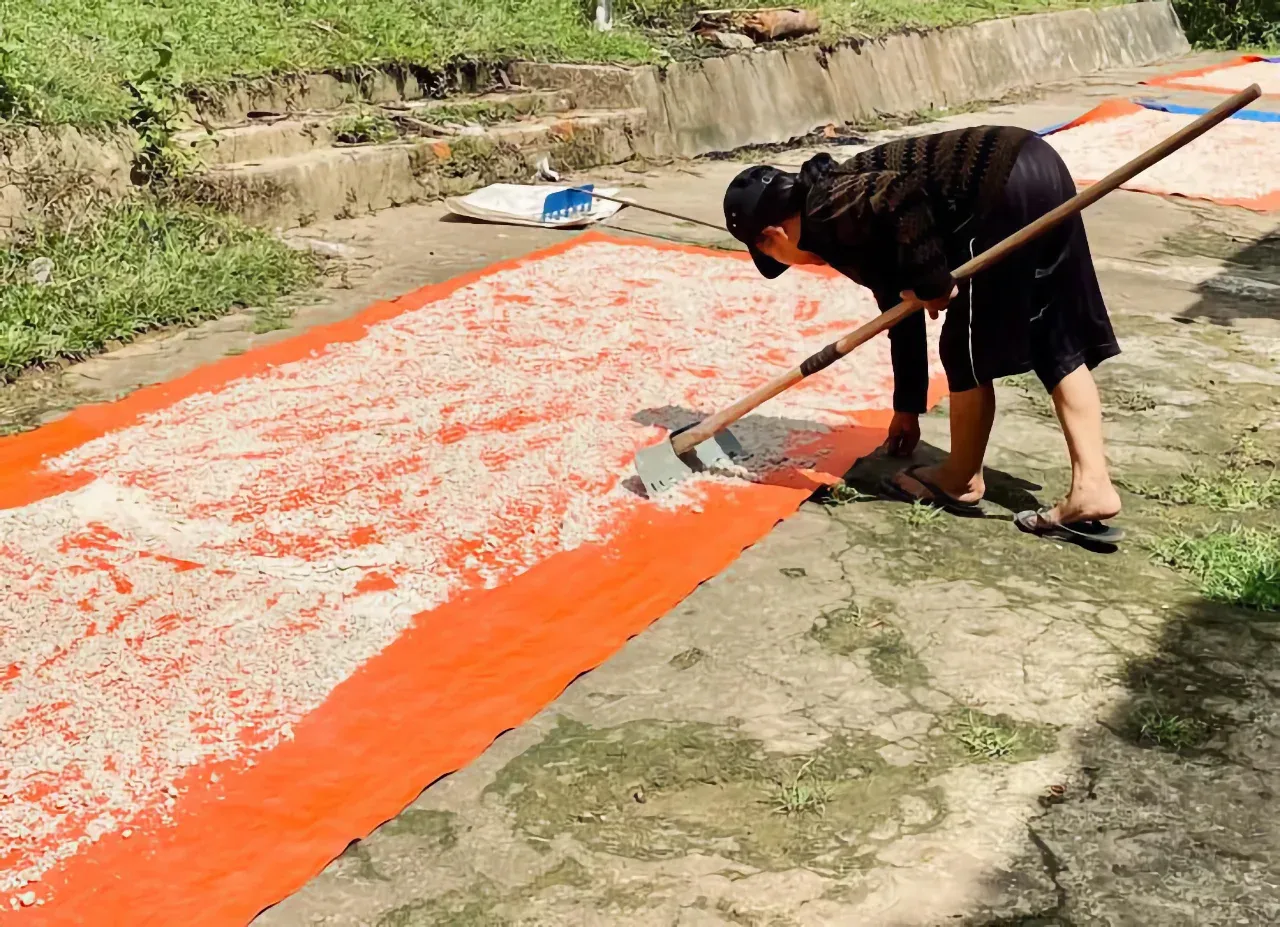
At the end of the road leading to the Indonesia-Malaysia border post, (Long Midang-Sarawak), Krayan District, Nunukan Regency, North Kalimantan, there is a not-too-large wooden house, and a middle-aged woman drying the salt harvest in the front yard. The salt harvest is spread out on tarpaulins, occasionally stirred with a tool resembling a large fork to prevent clumping and to ensure even drying. At that time, the salt was dried under the sun in not too large quantities, perhaps only about 2-3 tarpaulins were laid out to dry the salt harvest.
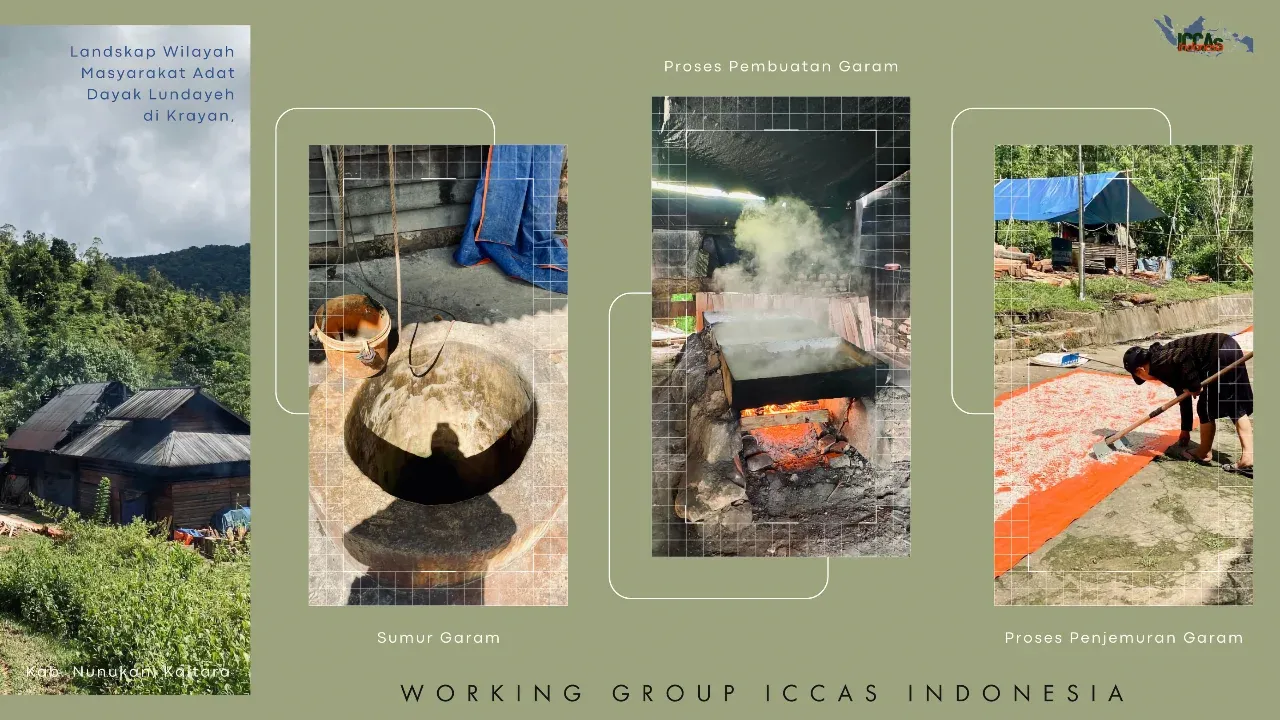
Looking at the topography of the area where this salt is produced, namely in Krayan, Nunukan, North Kalimantan, it is located in a highland area surrounded by mountains at an altitude of 900 m above sea level. So, how is the salt produced? It turns out there are saltwater wells with a depth of 4-6 meters that have existed since the time of the ancestors. These salt wells are scattered in several locations around Krayan, including Long Midang Village, Long Api Village, Tanjung Karya Village, Terang Baru Village, Long Umung Village, Pa' Kebuan Village, Long Puak Village, Pa' Betung Village, and Kampung Baru Village. It is said that these salt wells were discovered by the Lundayeh Krayan Indigenous People as a water source area for animals. These salt wells have long been managed collectively by the Lundayeh Krayan Indigenous People for generations. The management of the salt wells is rotated among families who have the capacity to produce salt—such as sourcing firewood supplies.
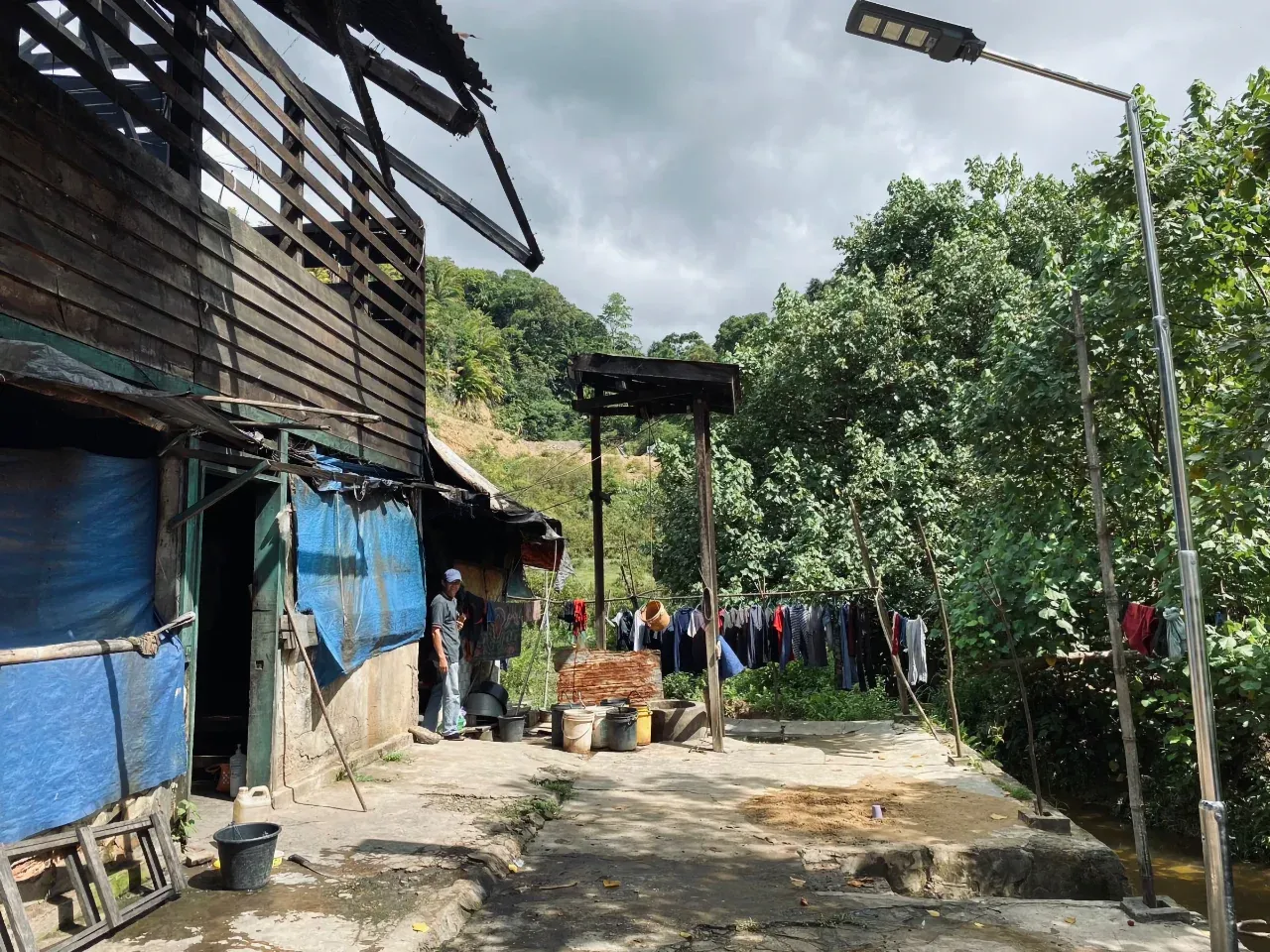
Speaking of management, the Lundayeh Krayan Indigenous People, through their traditional knowledge and simple technology, are able to process the salt well water into salt crystals. Unlike the process of making sea salt, the Lundayeh Krayan Indigenous People use a simple evaporation method through wood-fired heating. First, the saltwater is drawn from the well, then transferred to a container to settle for 10-15 minutes, and the water is drawn using conventional methods like drawing water. Second, the settled saltwater is transferred to a large box container divided into three parts, for further heating using a wood-fired stove. The heating process of the saltwater takes 12-24 hours depending on how much salt is to be produced. The long heating time will transform the saltwater into salt due to the crystallization process during evaporation. After that, the crystallized salt is continued to the drying process for 30-60 minutes. The salt is dried on tarpaulins utilizing sunlight.
When all the above processes are completed, the final stage is salt packaging. The salt is only packaged in ordinary plastic, without product labels. Then, the salt is sold and marketed to the local area and to neighboring Malaysia. Salt is sold at Rp. 50,000;-/kilogram—daily salt production can reach 20 kilograms/day depending on the condition of the saltwater available that day. Although the saltwater wells in Krayan always have a supply and never run out, sometimes the quantity is affected by the season, where during the rainy season, rainwater can mix with the water in the salt wells, thereby reducing the salt content itself.
The above conditions show that traditional knowledge plays an important role in the survival of indigenous peoples and local communities. The strong relationship between indigenous peoples and their living space has given birth to various knowledge, which is the result of a long adaptation process. They are then able to manage the natural resources they have sustainably and make it one of their sources of livelihood. In this context, the salt produced from the saltwater wells is not only to meet daily needs but also brings economic benefits and is even exported to neighboring countries.
However, they are also faced with challenges that make the community's interest in managing saltwater wells decline. The difficulty of access to market to other areas and restrictions during the COVID-19 Pandemic is one of them. In fact, these wells or saltwater sources are considered to have great potential and can contribute to meeting the salt needs in Nunukan and surrounding regencies. Meanwhile, traditional practices like this have not yet been considered as an effective natural resource management model, so they do not become the basis and priority for the government in making policy directions and advancing the community's economy.
The existence of saltwater wells is a unique characteristic because it is the result of geological processes related to the earth's plates over billions of years and is only found in certain areas. Through traditional and household-scale processing and communities that still maintain cultural and customary aspects, the Lundayeh Krayan Indigenous People are able to preserve these rare wells and do not exploit the natural resources they have. Knowledge and management models like this are very important to protect and support. Therefore, cooperation from indigenous peoples, the government, and assistance from external parties who care is needed to encourage the recognition of territory and natural resource management based on traditional or local cultural knowledge and efforts to create fair benefit-sharing for indigenous peoples and local communities who still practice it.

Join Our Newsletter
Berlangganan buletin kami untuk mendapatkan pembaruan terbaru, berita, acara, dan aktivitas komunitas langsung ke kotak masuk Anda.
We respect you privacy, your email is safe with us.