Peoples' Conservation Summit 2026
DEKOLONISASI KONSERVASI: Menegaskan Kedaulatan Rakyat Atas Pengetahuan dan Tata Kelola Keanekaragaman Hayati di Indonesia 1-3 September, 2026
Understanding ICCA
Territories of Life
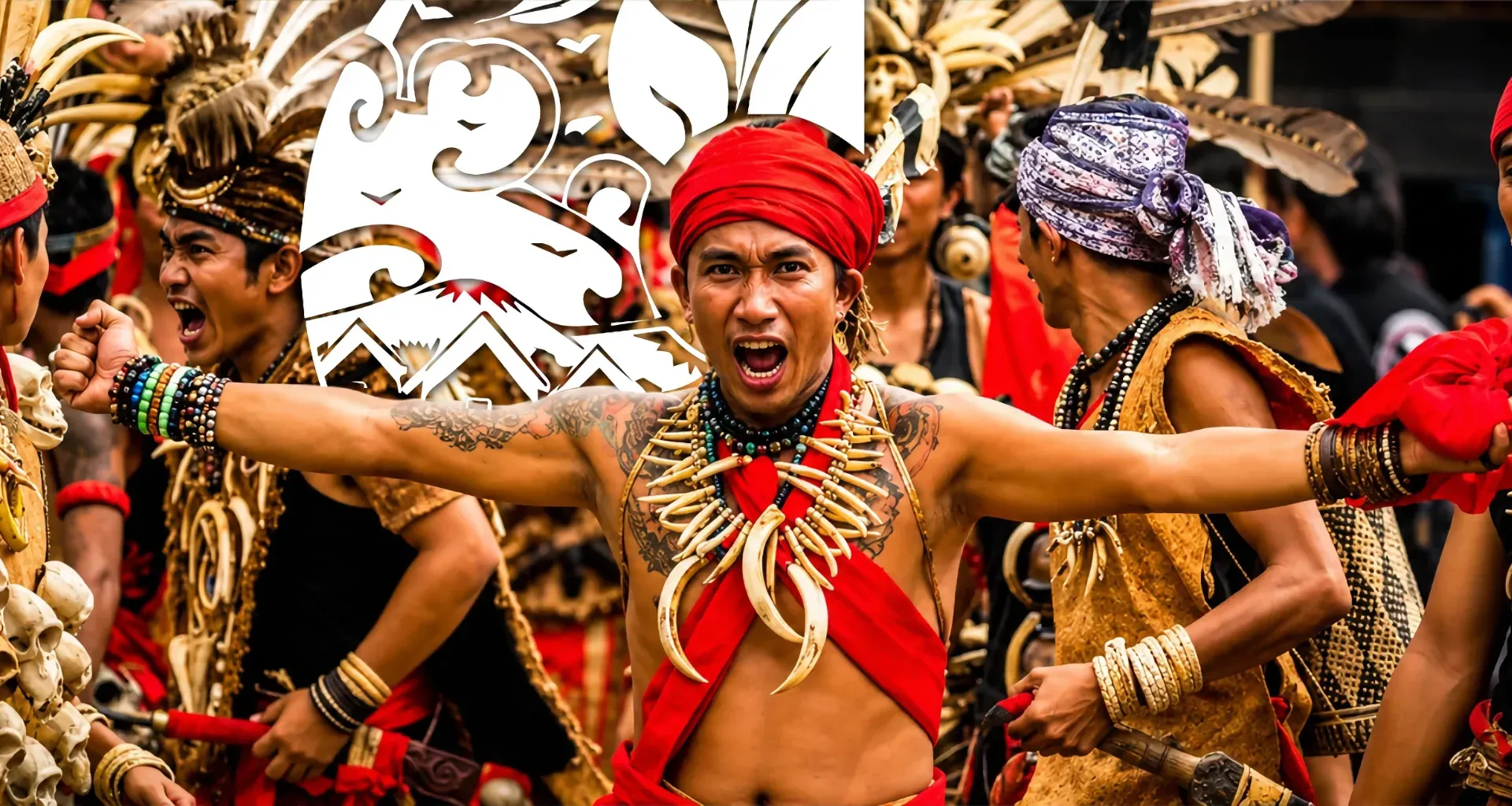
We often observe a strong connection between indigenous peoples or local communities and specific territories, areas, or natural resources, which are excluded for cultural, spiritual, and philosophical reasons. This connection has given rise to effective governance of natural resources and territories, which directly and indirectly contribute to nature conservation. We call these Territories and Areas Conserved by Indigenous Peoples and Local Communities, globally known as “Territories and Areas Conserved by Indigenous Peoples and Local Communities” (ICCA-Territories of Life). The term ICCA is used as part of the political communication of the global people's conservation movement, but does not eliminate the diversity of local names and terms for various practices that exist in communities. In Indonesia, WGII has adopted the term "Areal Konservasi Kelola Masyarakat" (AKKM) as a translation of ICCAs.
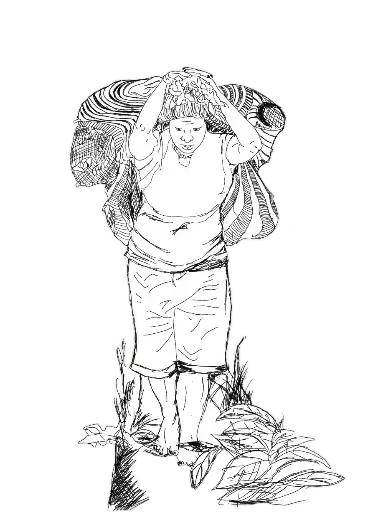
 For us, land is mama. If we continue to look after mama, then mama will always look after us as her children.
Naomi Marasian
Indigenous Women, Kemtuik Community, Papua
Our Strategies
Documenting
Sustaining
Defending
WGII Members

Knowledge Center
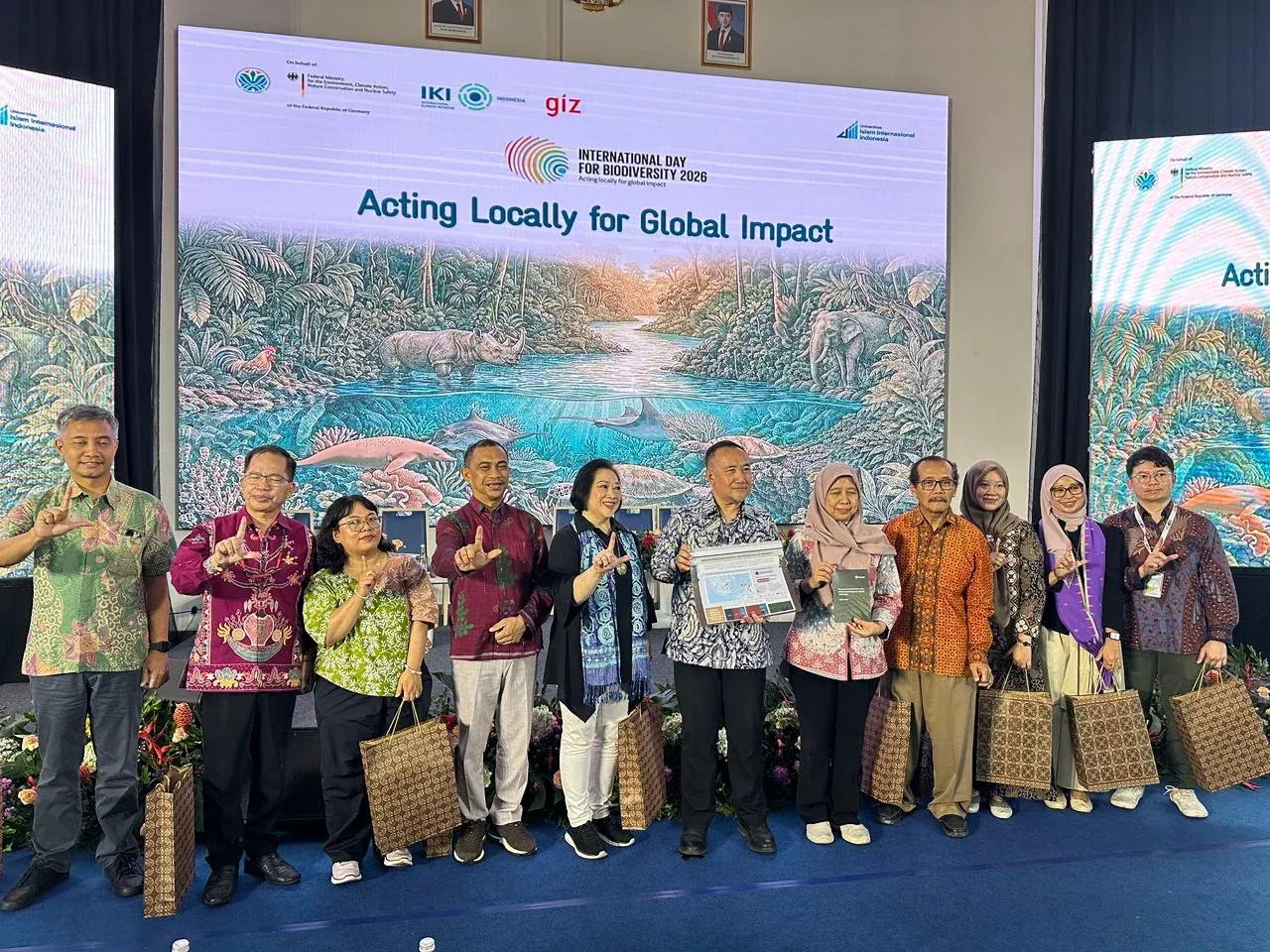
Commemorate International Day for Biological Diversity 2026: WGII Launches 1 Million Hectares of Indigenous Peoples and Local Communities Conservation Areas as Indonesia's Biocultural Heritage
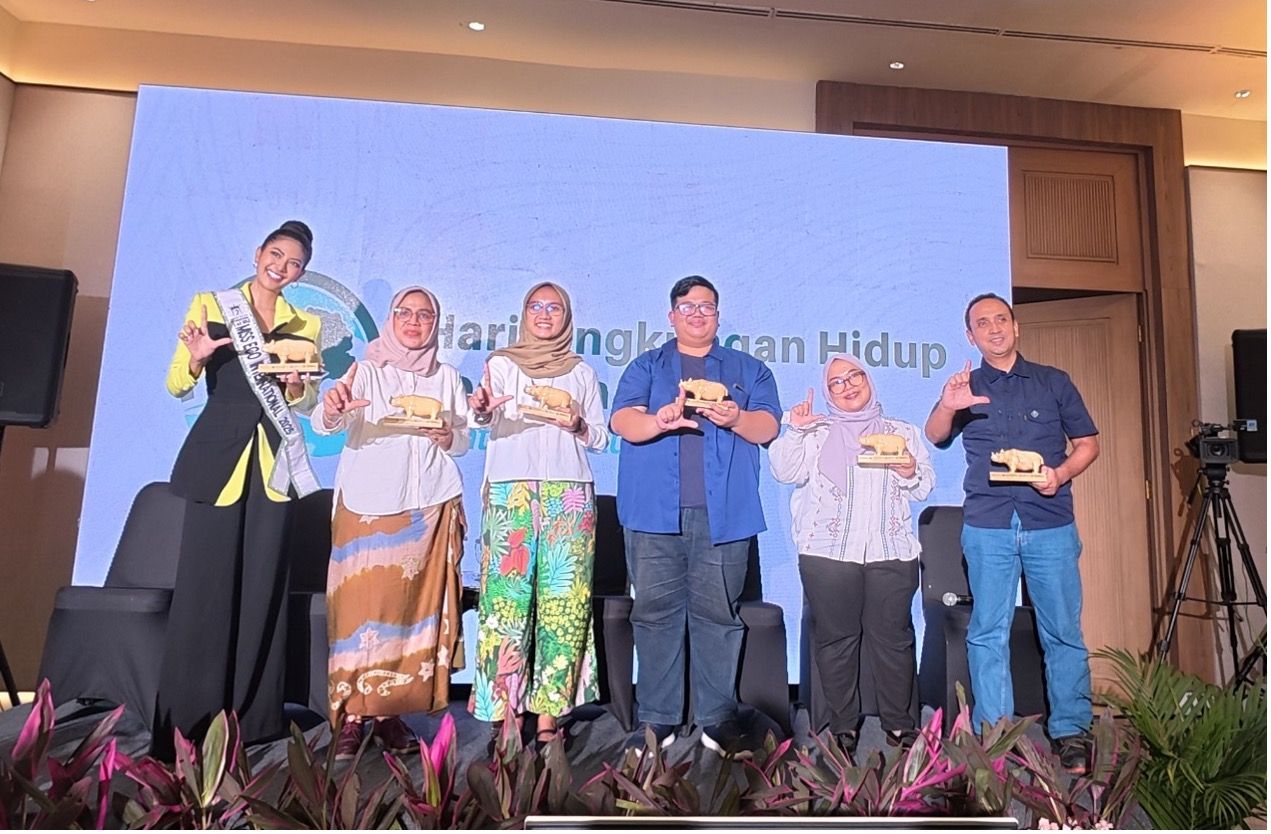
Affirm the Role of Indigenous Peoples WGII Supports Sustainable Biodiversity Conservation
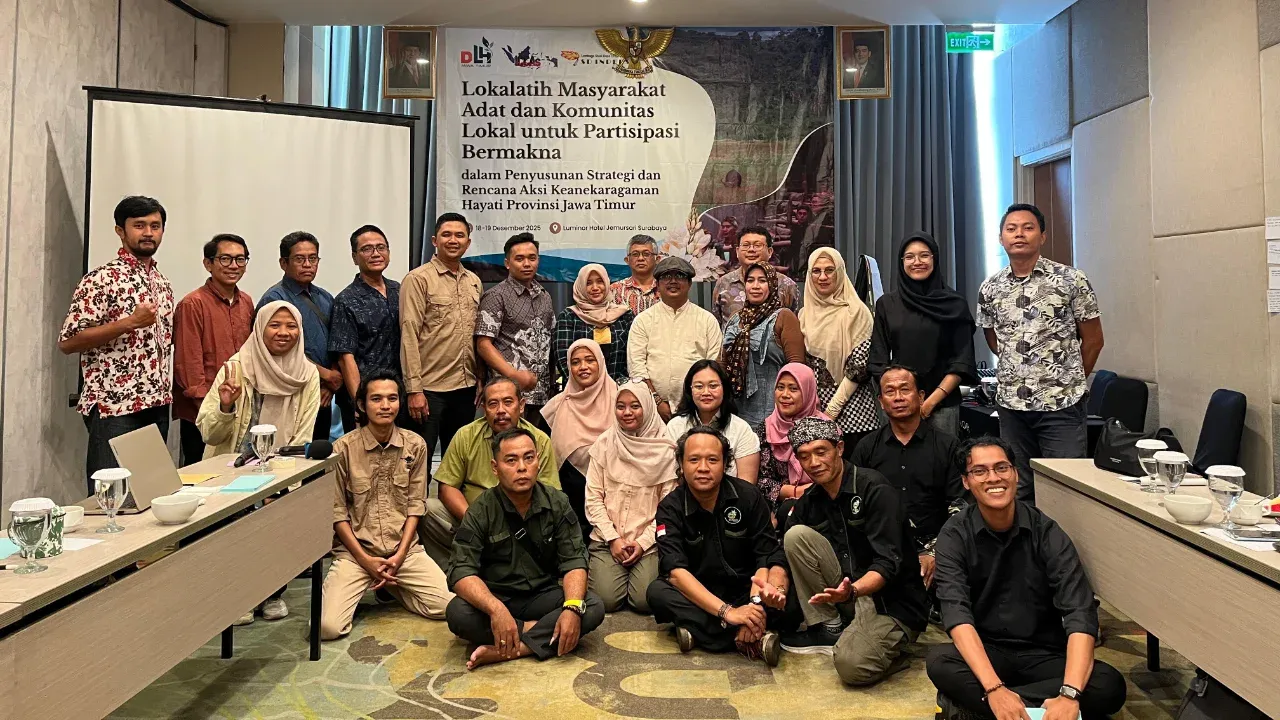
Press Release: Strengthening Meaningful Participation of Indigenous Peoples and Local Communities in Biodiversity Management in East Java, Environmental Agency and WGII Initiate Local Training and Multi-Stakeholder Forum for RIP KEHATI Development
WGII Partners
Media Discussion: Preserving Culture, Caring for Indonesia's Biodiversity Future
Conservation is not just about protecting forests or rare animals, but also valuing the role of indigenous peoples and local communities in safeguarding nature.
Read More
Get In Touch
WGII welcomes inquiries, collaboration opportunities, and feedback from partners, communities, and the public. Please contact us through the following form or subscribe to our newsletter to receive the latest updates, publications, and activities from WGII.
Follow Us on Social Media
Follow Us on Social Media