Learning Conservation from Indigenous Communities Across Asia. What Is It Like?
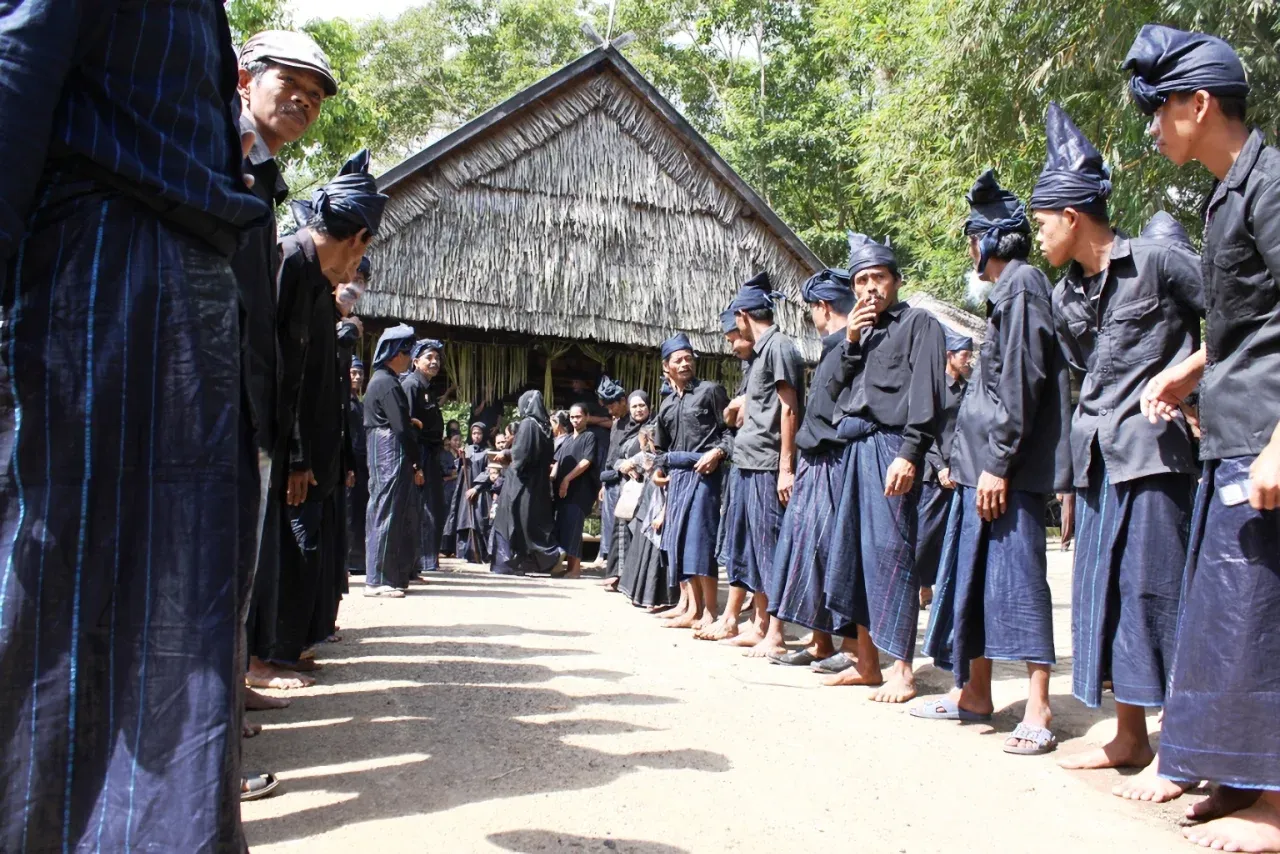
The indigenous Ammatoa Kajang community in South Sulawesi is known for its consistency in preserving ancestral traditions. They reject modernity, living without electricity, paved roads, and other luxuries. They maintain their forest area of 374 hectares in its natural untouched state. It is taboo to enter except for their main ritual needs.
The Ammatoa Kajang area is just one of many forest areas preserved by local communities, known as Indigenous People's Community Conserved Area and Territories (ICCA). Since 2011, an ICCA working group called the Working Group ICCAs Indonesia (WGII) has been formed in Indonesia, consisting of several organizations including PUSAKA, JKPP, NTFP-EP, AMAN, WWF Indonesia, HuMa, WALHI, BRWA, KIARA, and Sawit Watch.
ICCA is actually a global initiative in 26 countries. In Southeast Asia, besides Indonesia, several countries are also promoting ICCA documentation, such as the Philippines, Malaysia, Vietnam, Timor Leste, plus Taiwan.
Why should indigenous communities be encouraged to conserve areas?
According to Taghi Farvar, President of ICCA, indigenous communities are currently being displaced from their own lands, even though they actually play a significant role in preserving areas and biodiversity.
"By maintaining indigenous communities in their territories, they will preserve nature and protect biodiversity," he said at the Regional ICCA Knowledge Sharing and Capacity Building Workshop in Lombok, West Nusa Tenggara, Tuesday (18/08/2015).
In Indonesia, according to Taghi, even after 70 years of independence, many indigenous communities still lose their land. "Out of 1,128 indigenous communities, most have not yet obtained their communal rights."
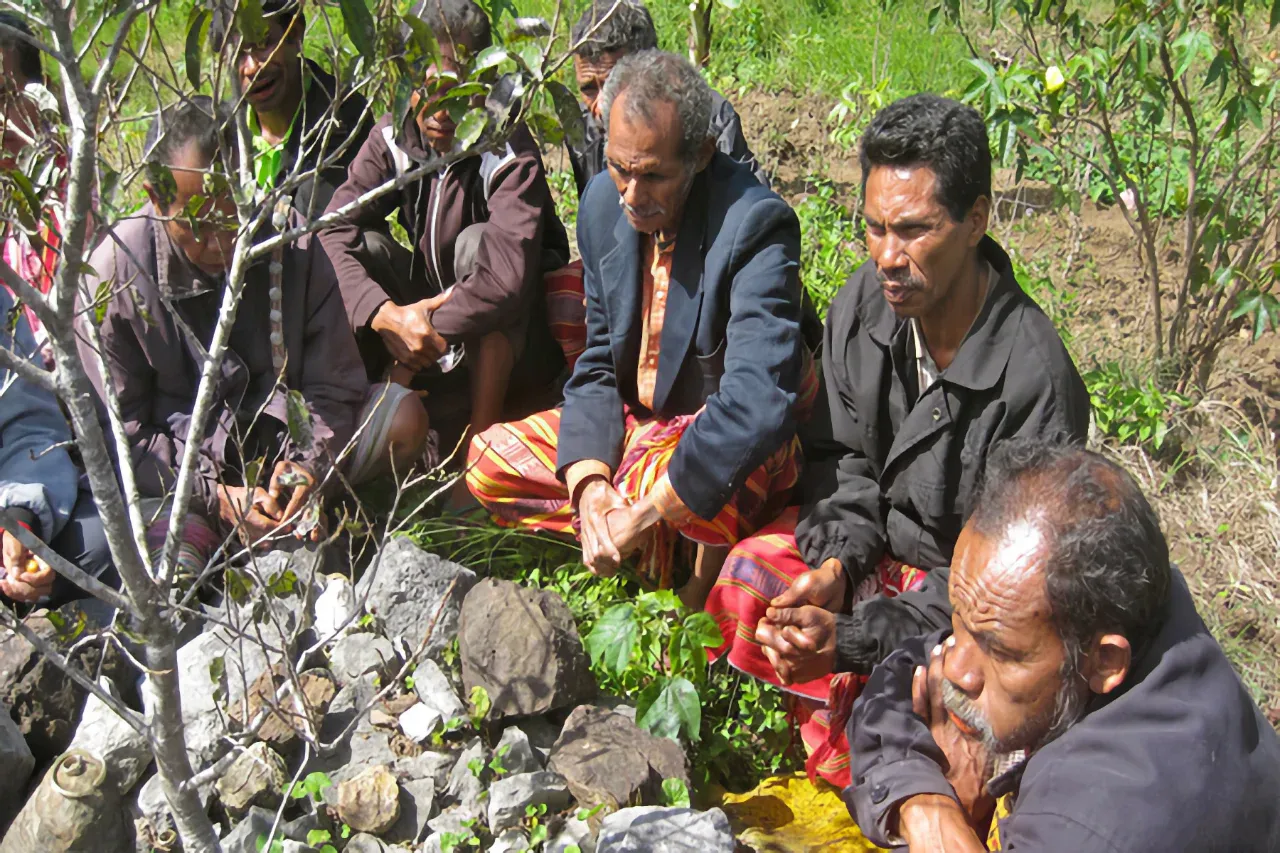
The same condition also occurs in other Southeast Asian countries. From the presentations delivered by representatives from countries like the Philippines, Indonesia, Malaysia, Vietnam, and Taiwan, almost all discuss how indigenous communities are increasingly being displaced from their territories, either by the state or companies. Yet, indigenous communities can serve as guardians of biodiversity in the forests where they live.
As in the Philippines, they lose land due to personal interests and extractive industries because they cannot face private parties or foreign companies sometimes supported by the central government.
"ICCA is the most viable option for nature conservation, livelihood sustainability, equitable socio-economic benefits, and the preservation of cultural values and local identity in the Philippines," said Masli Quilaman, Director IV National Commission on Indigenous People Philippines.
According to him, market policies driven by the government through large-scale extractive industries undermine the integrity of ICCA.
Another example, the success story of indigenous communities in conservation was shared by Temenggung Grip from the Rimba Tribe, who live in the Bukit Dua Belas National Park forest, Jambi. "The Rimba Tribe is highly dependent on nature, especially the forest," he said.
The Rimba Tribe protects the forest and the environment where they live with several rules that must be obeyed by their community and newcomers in the Bukit Dua Belas forest. Violations such as cutting sacred trees are punished with fines in traditional cloth. "These prohibitions and fines are solely to protect our ecosystem," he said.
Sutej Hugu, a participant from Taiwan, explained that in Taiwan there are certain regulations for nature conservation, such as rules prohibiting the consumption of certain fish species. "This is implemented to keep the marine ecosystem preserved, as not all fish in our sea are consumed," said Sutej.
Catharina Dwihastarini, National Coordinator of the Global Environment Facility Small Grant Programme (GEF SGP) in Indonesia, explained that the goal of the ICCA initiative is to enhance capacity on ICCA in Indonesia and other Southeast Asian countries, to encourage collective reflection and sharing on key issues, opportunities, and threats or challenges for ICCA recognition and support in policy and practice.
"The main goal is to encourage recognition and support for ICCA and promote their effectiveness through capacity building, with at least 26 pilot countries. In Southeast Asia, pilot areas include Indonesia, the Philippines, Malaysia, and Vietnam," said Catharina.
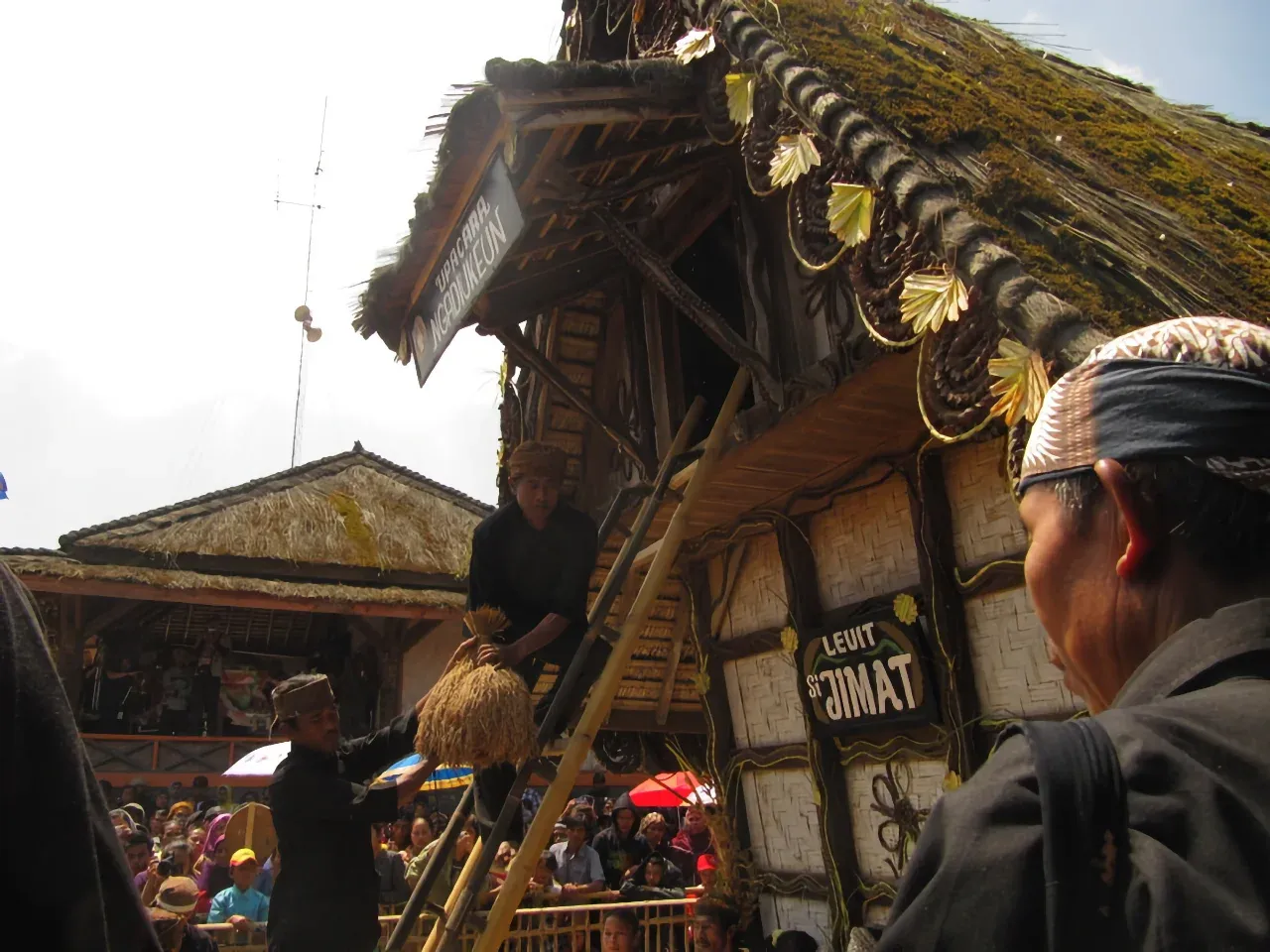
ICCA is increasingly recognized as a way for indigenous and local communities to secure collective rights and responsibilities to their land, water, and natural resources and to foster a love for traditional knowledge.
"In places where there is massive exploitation of natural resources and conservation, many indigenous communities are enhancing cooperation with the government for direct natural resource development. What is interesting is the traditional knowledge, local wisdom of institutions, and involvement among partners. ICCA is an opportunity in conservation to be fairer and more effective," she said.
The first ICCA in Indonesia was held in Bogor in October 2011, through ICCA documentation in several regions, starting from Sumatra, Kalimantan, Lombok, the Maluku Islands, and Papua.
Kasmita Widodo, Coordinator of WGII, who is also the coordinator of the Regional Registration Agency (BRWA), stated that this ICCA documentation is the first step towards full registration of indigenous lands in Indonesia and recognition and integration into provincial and district spatial plans.
In Indonesia, there are several GEF SGP Indonesia partners who have conducted ICCA conservation activities, including the Institute for Research and Community Development Bumigora (LP3MMM Bumigora), which since 2009 has been building productive villages in Kumbi Hamlet, Lebah Sempage Village through watershed conservation with Non-Timber Forest Products (NTFP).
According to Catharina, Bumigora's efforts are due to the increasing population in forest areas around the watershed, which is a protected forest with very limited use because its allocation is prioritized for the environment and conservation only.
"This causes the community to be highly dependent on the forest area. Therefore, Bumigora encourages communities around the Jangkok watershed, namely Pakuan and Lembah Sempage Villages, to manage productive plants such as bamboo, rattan, lombos, cocoa, coffee, and honey," added Catharina.
Additionally, there is also Walhi NTB, which successfully assisted the community in Aik Berik Village, North Batu Kliang District, Central Lombok Regency NTB through the management of non-timber forest products for processed food products.
Murdani, an activist from Walhi NTB, explained that the reason for assisting the community is due to the condition of Air Berik area, which is under threat of erosion due to climate factors, topography, soil, plants, and poor land management, as well as the conversion of forests into agroforestry by 24% of the natural forest area, over the past 9 years.
In East Lombok, there is also an institution recognized for its wisdom in community-based resource management through Regional Regulation Number 9/2006 East Lombok and No. 10/2006. This regulation, known as awig-awig, is a traditional and participatory approach to sustainable resource management.
Amin Abdullah, Director of the Fishermen Resource Development Institute (LPSDN), a local fishermen group in Teluk Jor, who created awig-awig as a traditional regulation for sustainable fisheries and coastal resource management.
"As a co-management strategy for fisheries, awig-awig still requires government support, community awareness, and cooperation for our maritime traditions to be viable and for sustainable conservation and livelihoods for local fishermen to thrive," said Amin.
This ICCA consortium initiation was officially established at the 4th World Conservation Congress in Barcelona, Spain, in October 2008. They agreed on a broader program by providing initial support and stimulus that approaches the general goals of ICCA.
"The ICCA initiatives produced will be promoted locally, nationally, regionally, and internationally," emphasized Catharina.
This activity itself took place over six days, August 17-22, 2015, at the Lombok Raya Hotel, organized by the ICCA Indonesia Working Group (WGII), UNDP GEF SGP, ICCA Consortium, with additional financial assistance from WWF Indonesia.
Source: https://www.mongabay.co.id/2015/08/25/belajar-konservasi-dari-masyarakat-adat-se-asia-seperti-apa-itu/

Join Our Newsletter
Berlangganan buletin kami untuk mendapatkan pembaruan terbaru, berita, acara, dan aktivitas komunitas langsung ke kotak masuk Anda.
We respect you privacy, your email is safe with us.