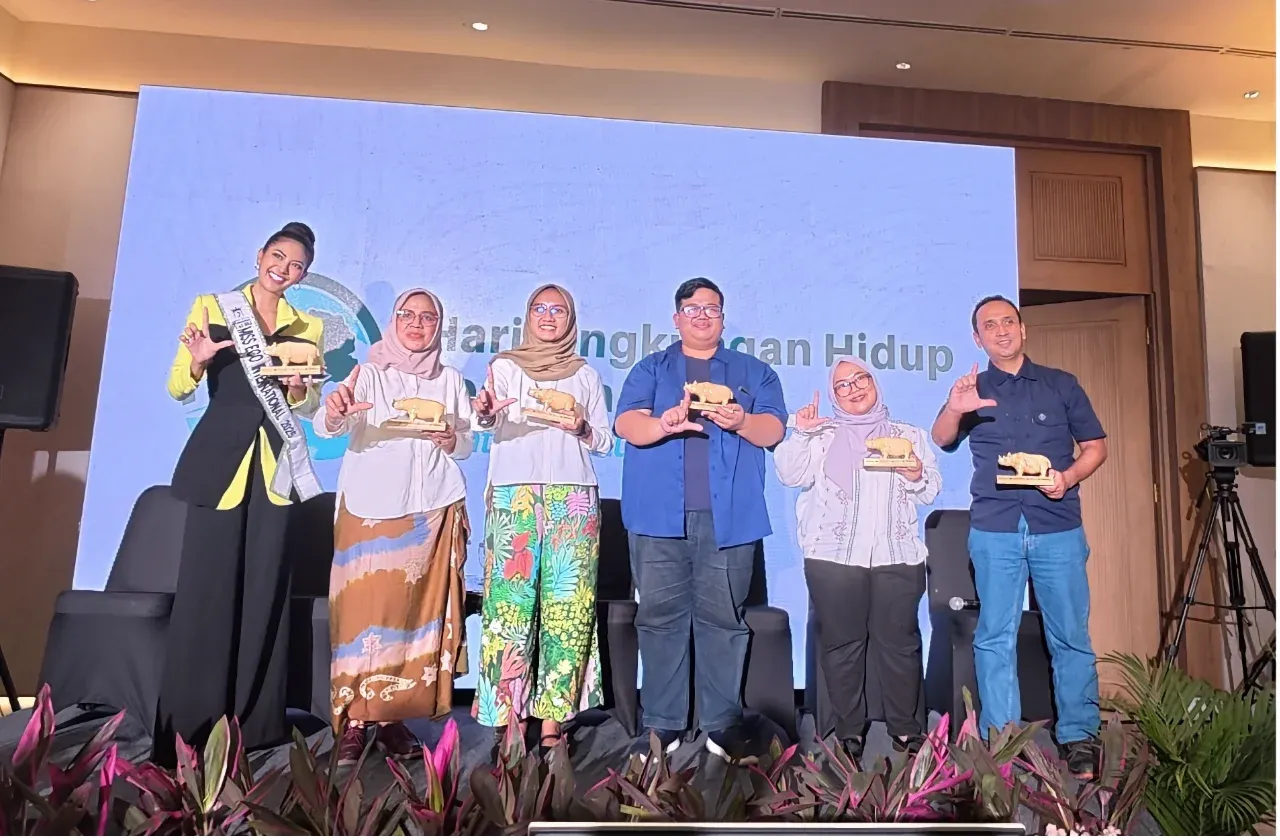
Affirm the Role of Indigenous Communities: WGII Supports Sustainable Biodiversity Conservation
JAKARTA — In a talk show commemorating the 2025 World Environment Day themed "Uniting Steps for Biodiversity: In Harmony with Nature and Sustainable Development", organized by the Ministry of Environment, Program Manager of the Working Group ICCAs Indonesia (WGII),
Cindy Julianty, emphasized the importance of recognizing and strengthening conservation practices based on the traditional knowledge of indigenous communities in Indonesia. Cindy Julianty stated that WGII has been documenting conservation practices by indigenous communities, referred to by WGII as ICCA.
These ICCA practices include the management and utilization of forest areas by indigenous communities based on ecological, spiritual, and socio-cultural functions. This practice includes the management and utilization of forest areas based on ecological, spiritual, and socio-cultural functions that are alive in the community's traditions. To date, the documented area is still limited compared to the potential estimated to reach 23 million hectares.
The forms of conservation implemented are diverse, not only focusing on one species but encompassing the sustainable utilization of biodiversity. WGII also encourages the process of scientific validation of traditional knowledge of indigenous communities in biodiversity conservation. This is done by linking traditional practices with modern scientific approaches. "For indigenous communities, some forest areas are considered sacred or revered because, from a scientific approach, these places are preserved with the intention and purpose of maintaining the area, for example, it turns out that the place is preserved because it is a water source or a location of sacred sites," said Cindy.
Furthermore, WGII conducts an analysis of the ecological significance of indigenous community conservation areas. The results show that various bird species, including endemic Indonesian species and those with conservation status according to IUCN, are found in ICCAs. The traditional knowledge underlying the management of these areas is diverse, interconnected, and reflects the close relationship between humans, nature, and culture.
However, Cindy also highlighted serious challenges in documenting these practices. She stated that the sustainability of traditional knowledge and practices is increasingly threatened, partly due to the lack of regulations that explicitly recognize and protect the rights of indigenous communities.
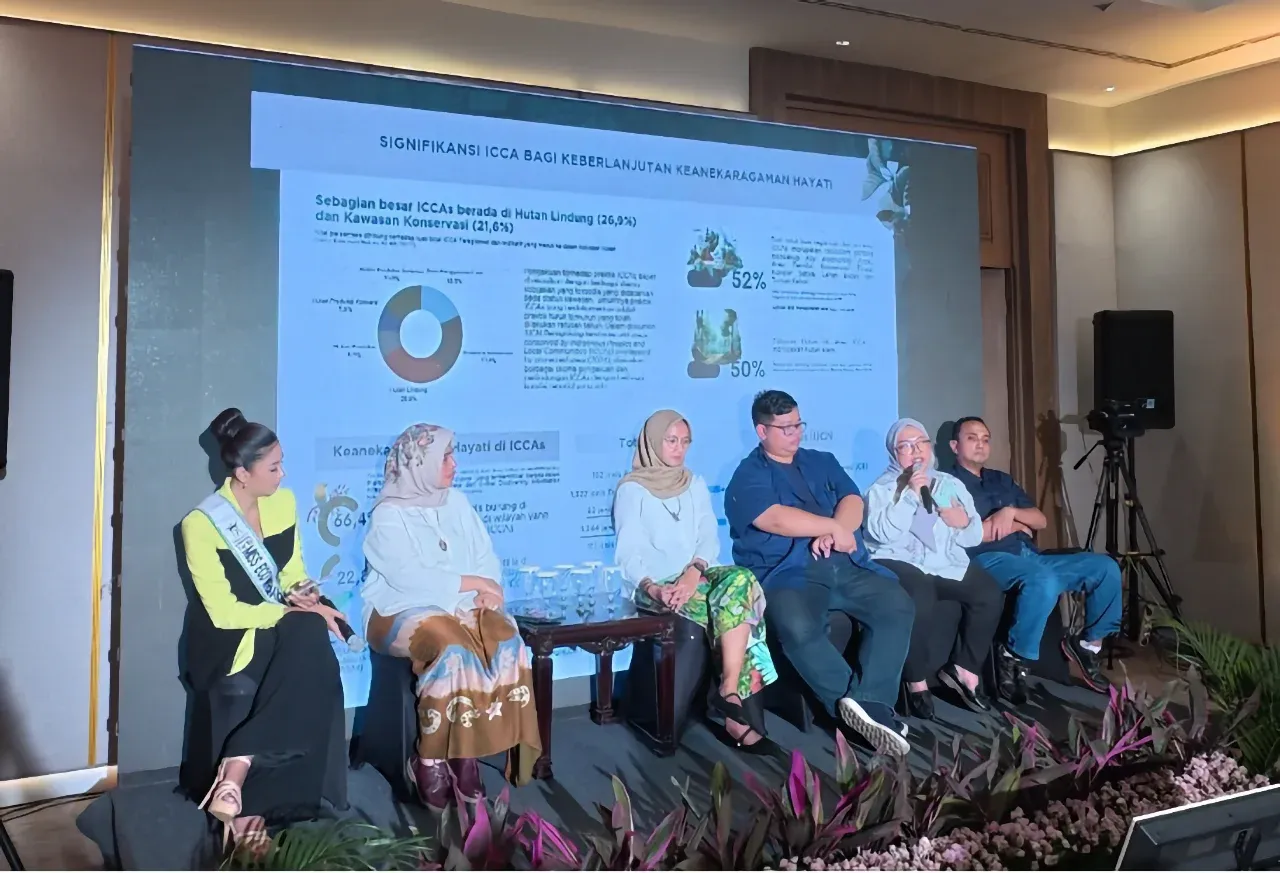
On the other hand, existing regulations tend to be difficult for the community to understand, while related sectors have not fully been able to bridge this understanding in the field. Hierarchical policies—from community to central level—with long and layered processes also pose their own challenges in ensuring the protection of community-managed areas. Nevertheless, Cindy sees these challenges as opportunities. "These challenges actually become opportunities for us to push Indonesia to emerge as a champion in the Convention on Biological Diversity (CBD), while also accelerating the enactment of laws that recognize indigenous communities," said Cindy.
WGII has a mission to promote conservation practices by indigenous communities that are ancestral knowledge or rooted in ancestors, this knowledge existed long before the formation of current global biodiversity conservation policies. WGII also encourages that these practices are not only recognized but also respected as an important part of the national conservation strategy.
The talk show held at the Kenari Room, Assembly Hall Jakarta International Convention Center on Monday, June 23, 2025, also served as a platform for various non-governmental organizations to share contributions in biodiversity preservation. As a mega-biodiversity country, Indonesia is not only rich in flora and fauna but also in cultures that coexist with nature. (***DevinDewantara/AN)

Join Our Newsletter
Berlangganan buletin kami untuk mendapatkan pembaruan terbaru, berita, acara, dan aktivitas komunitas langsung ke kotak masuk Anda.
We respect you privacy, your email is safe with us.