Sustainable Livelihood Assessment Training for Strengthening ICCA
NTFP-EP Asia, in collaboration with the Working Group ICCAs Indonesia (WGII) and Rimbawan Muda Indonesia (RMI), conducted a 3-day Sustainable Livelihood Assessment (SLA) Training from June 22 – 24, 2023, at Hotel Horison Rahaya Resort and Kasepuhan Cibedug, Lebak, Banten, Indonesia. This training is part of the ICCA Southeast Asia (SEA) Consortium program "Strong Stewards Sustaining Territories of Life in Southeast Asia" aimed at promoting and supporting sustainable livelihoods, well-being, and self-determination of indigenous peoples and local communities (IPLC) while upholding the principles of maintaining ecological integrity and biodiversity conservation.
"Through this capacity-building activity, it is hoped that in the future indigenous peoples and local communities can secure their livelihoods, and implement sustainable enterprises in line with their customs and culture," Maria Cristina Guerrero, Senior Adviser NTFP – EP Asia, emphasized the key outcome of this training program.
NTFP – EP Asia, as the main organizer of this activity, is the Regional Coordinator of the ICCA SEA Consortium, while WGII is the only member of the ICCA SEA Consortium in Indonesia. The ICCA SEA Consortium itself is part of the global ICCA consortium network consisting of 19 organizations and 47 honorary members covering 6 countries in Southeast Asia, namely Cambodia, Indonesia, Malaysia, Myanmar, the Philippines, and Vietnam. This consortium works for the recognition and safeguarding of territories, living spaces, and natural resources managed and preserved by IPLC through their systems and governance.
Class Material, June 22, 2023
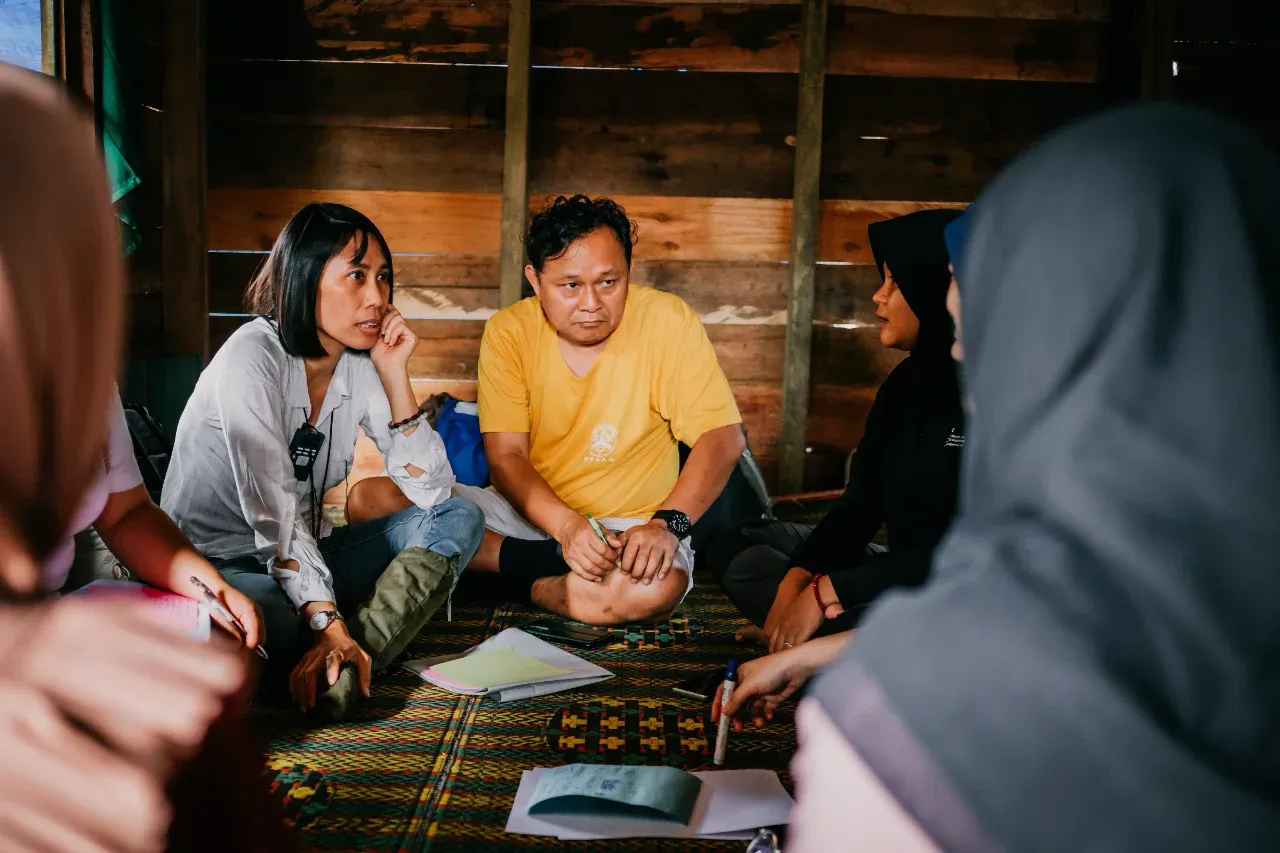
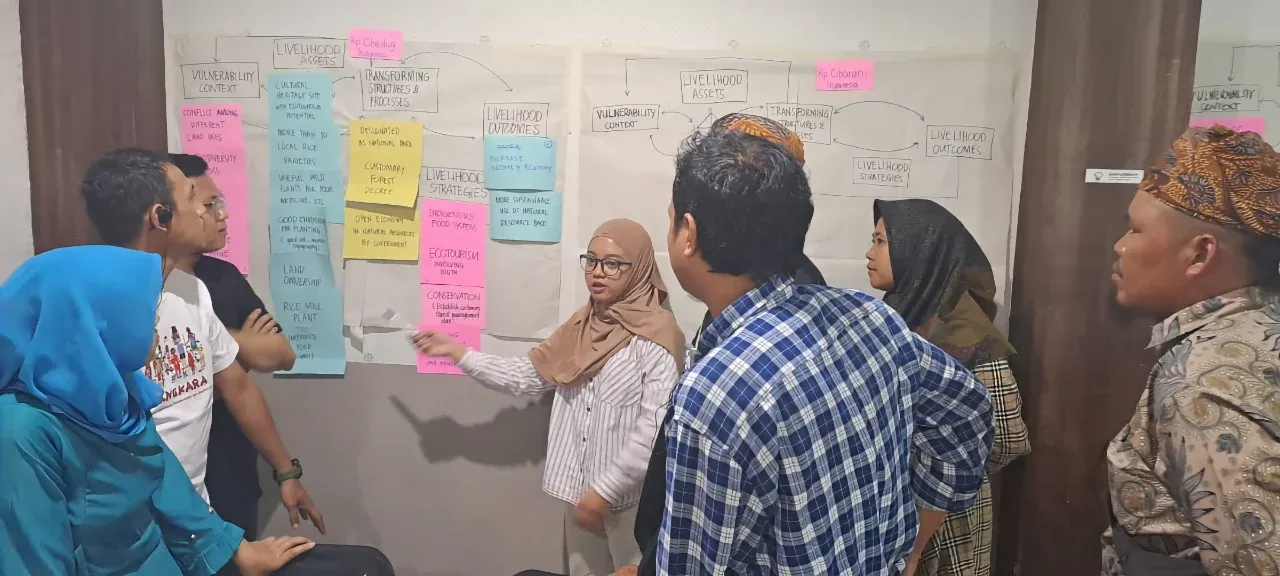
The training began with class material on the principles of sustainable livelihoods and the SLA framework. The training participants were member institutions of the ICCA SEA Consortium from 6 countries. Specifically for Indonesia, WGII in collaboration with RMI invited representatives of the Kasepuhan Cibarani and Cibedug indigenous communities as training participants and hosts for the field visit. After gaining an understanding of the SLA framework, each participant described and analyzed the sustainable livelihood situation according to their country's context. They determined outcomes, identified livelihood assets, analyzed threats and vulnerabilities to livelihoods, identified transforming structures and processes affecting livelihoods, and developed strategies to achieve sustainable livelihoods.
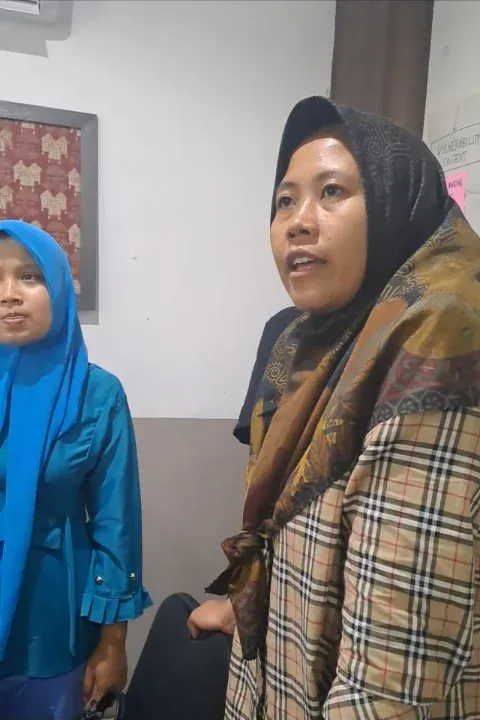
"We want to increase income through community products, one of which is palm sugar. In our area, there are many palm trees, and we have been managing this for a long time. Now there is also a women's group processing palm sugar into granulated sugar. It's quite profitable. But we don't have enough capital and tools," explained Teh Jarsih, a representative of the LODONG group from Kasepuhan Cibarani. She added, "young people today are not very interested in becoming palm sugar farmers, they prefer to work in the city. So we are thinking about how to encourage them to get involved and develop this community business."
Visiting Kasepuhan Cibedug, June 23, 2023
On the second day of the training, participants visited Kasepuhan Cibedug located in Citorek Barat Village, Lebak, Banten. This field visit activity included FGDs and experience sharing, as well as visiting the livelihood sources of the Kasepuhan Cibedug indigenous community. The goal was to learn and understand the livelihood situation of the Kasepuhan Cibedug indigenous community and to practice the tools from the SLA framework.
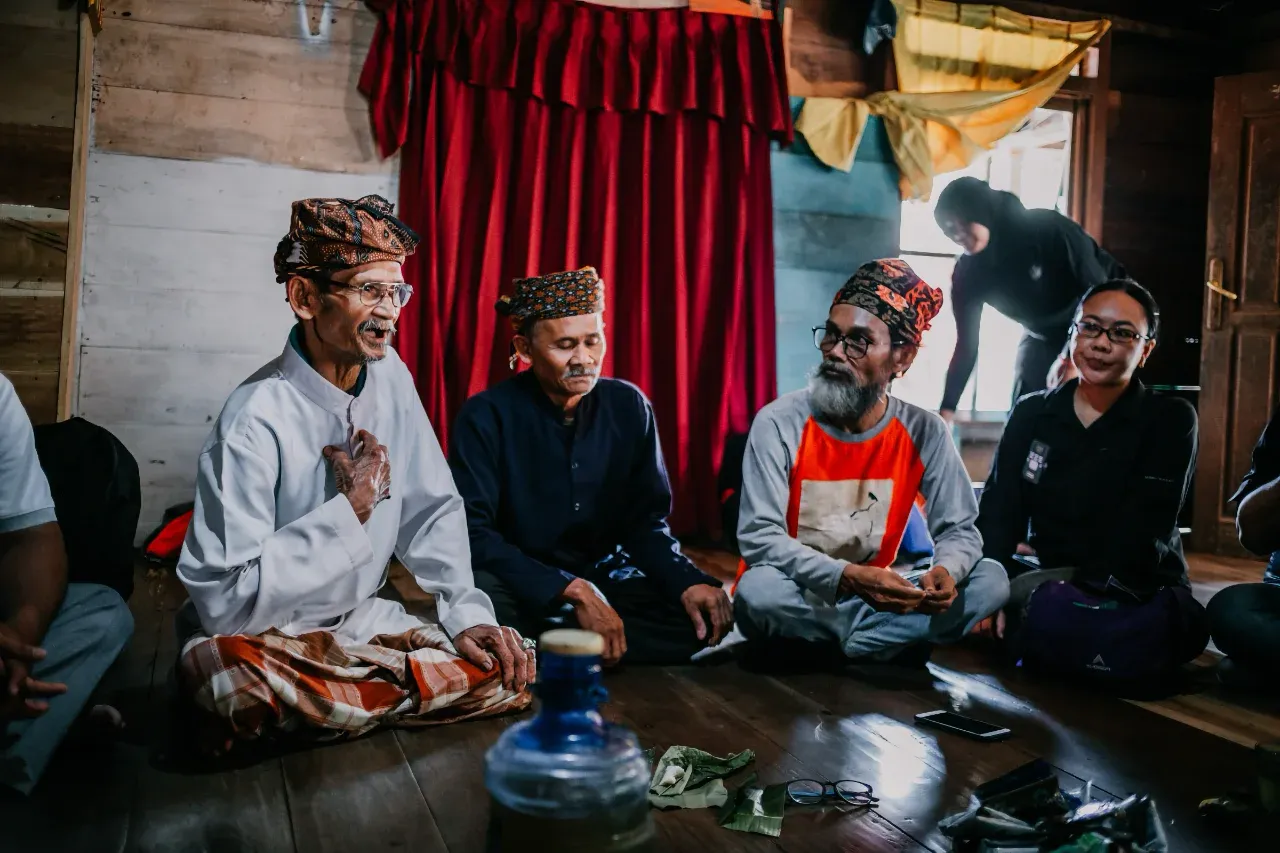
"We are very happy with your presence, hopefully, we can learn a lot and build our villages, so that in the future we can be more advanced and prosperous," welcomed Kang Suryana, a representative of the Kasepuhan Cibedug indigenous community.
Kasepuhan Cibedug, like other kasepuhan, is an indigenous community that still has a strong connection with nature and territory. They rely on the forest and surrounding natural resources for their livelihood. They have spatial/territorial arrangements and natural resource governance based on ancestral values, customary rules, and local knowledge.
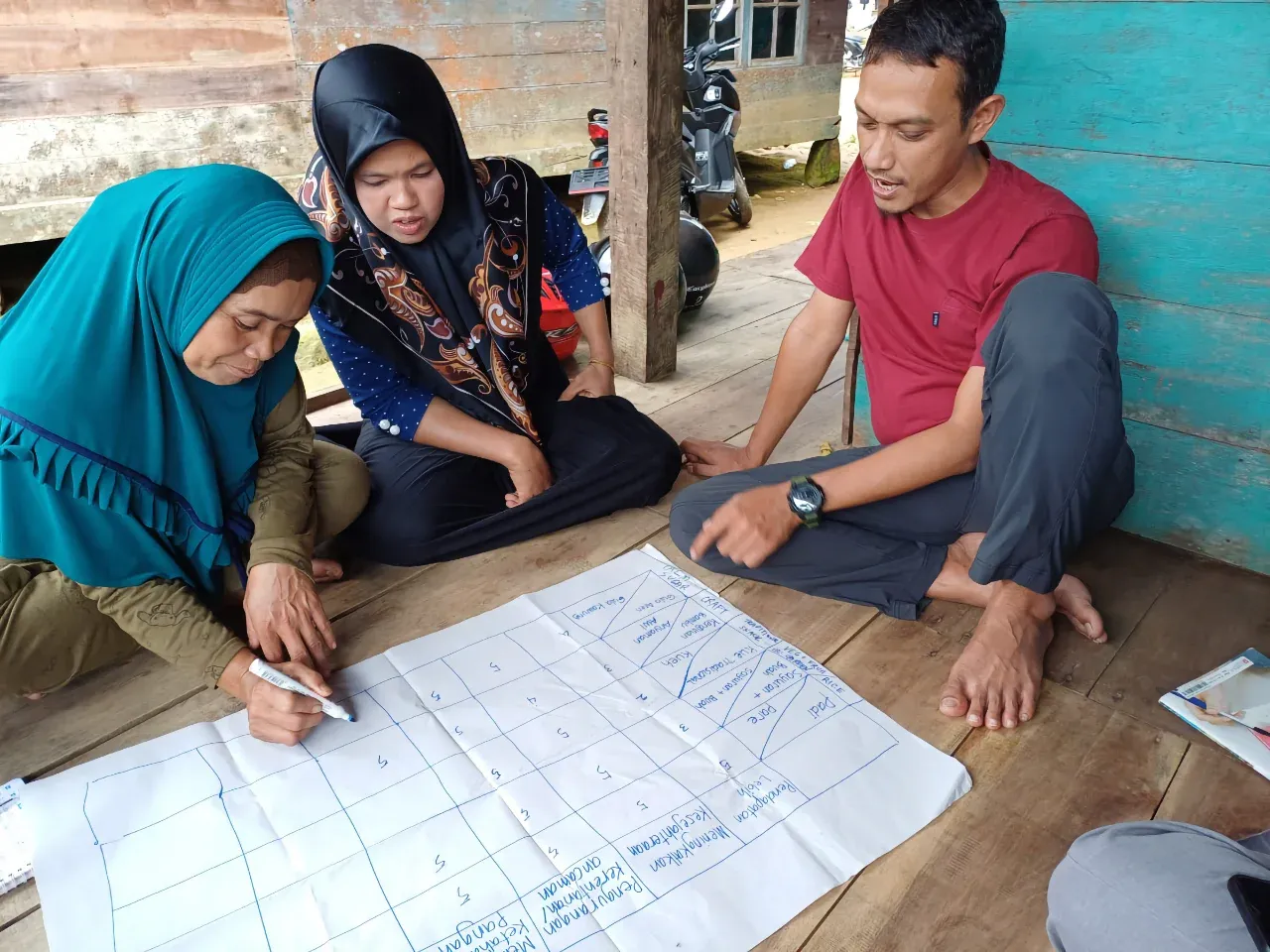
Leuwit or rice barns symbolize food security for the kasepuhan indigenous community, practiced to this day. They are also able to maintain various local rice varieties that are resistant to seasons and pests. Various wild foods can still be obtained from forests and gardens. One group of participants tried to explore the subsistence and natural assets owned by the Kasepuhan Cibedug indigenous community. Another group explored income, livelihoods, and stakeholder identification.
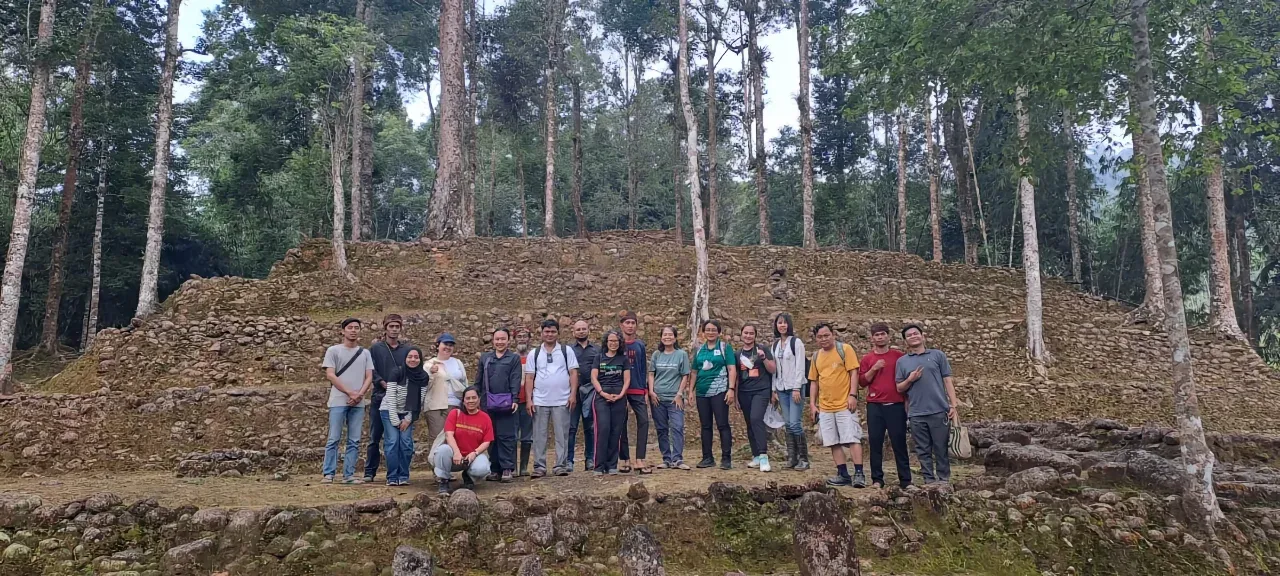
At the end of the second day of the training, all participants visited the Cibedug Site, a historical relic from the megalithic era, which is also a legacy preserved by the Kasepuhan Cibedug indigenous community to this day. This site is also one of the potentials they want to develop for ecotourism. In addition, they also plan to strengthen forest protection after receiving recognition of Customary Forest. "We protect the forest because it has springs and plants for daily food and medicine," said Olot Baji, an elder of the Kasepuhan Cibedug.
Reflection and Follow-Up Plan, June 24, 2023
On the last day of the training, participants presented the results of the field visit. This session was also used to provide constructive feedback regarding the sustainability of Kasepuhan Cibedug's livelihoods in the future based on observations made by each group and their experiences in their respective countries. Participants also delved into several relevant issues for sustainable livelihoods, reflecting on the lessons learned in Kasepuhan Cibedug, including the importance of youth involvement, food barn systems, and community enterprises.
The training concluded with participants from each country drafting a follow-up plan. This plan was divided into two periods, short-term and long-term plans. It also included identifying tools from the SLA framework to be implemented in each country.

Join Our Newsletter
Berlangganan buletin kami untuk mendapatkan pembaruan terbaru, berita, acara, dan aktivitas komunitas langsung ke kotak masuk Anda.
We respect you privacy, your email is safe with us.